High-deductible pet insurance can feel like a bit of a gamble. You agree to pay more out of pocket before the insurance company steps in, while enjoying a lower monthly premium. For some pet parents, that arrangement feels like too much risk. For others, it is exactly what makes pet insurance affordable and practical.
The truth is that high-deductible coverage is not universally good or bad. It works beautifully in certain circumstances and poorly in others. What matters most is whether it aligns with your pet’s age, health, and your own comfort with financial uncertainty.
Below are six situations where choosing a high deductible often makes perfect sense.
1. Your Pet Is Young And Generally Healthy
A young and healthy pet is far less likely to face major medical issues. Most visits during these early years revolve around routine checkups, vaccinations, mild stomach trouble, or minor injuries. These are usually predictable costs that many owners can handle without help from insurance.
In this scenario, paying extra each month for a low deductible that you might never reach does not always make financial sense. A high deductible reduces your monthly premium while still protecting you from the rare but significant emergency. It lets you handle everyday care on your own while keeping a safety net in place for the moments that could genuinely become overwhelming.
This is often the stage of life when a high-deductible plan quietly saves you money without compromising your peace of mind.
2. You Want Catastrophic Coverage Rather Than Small Day-to-Day Help
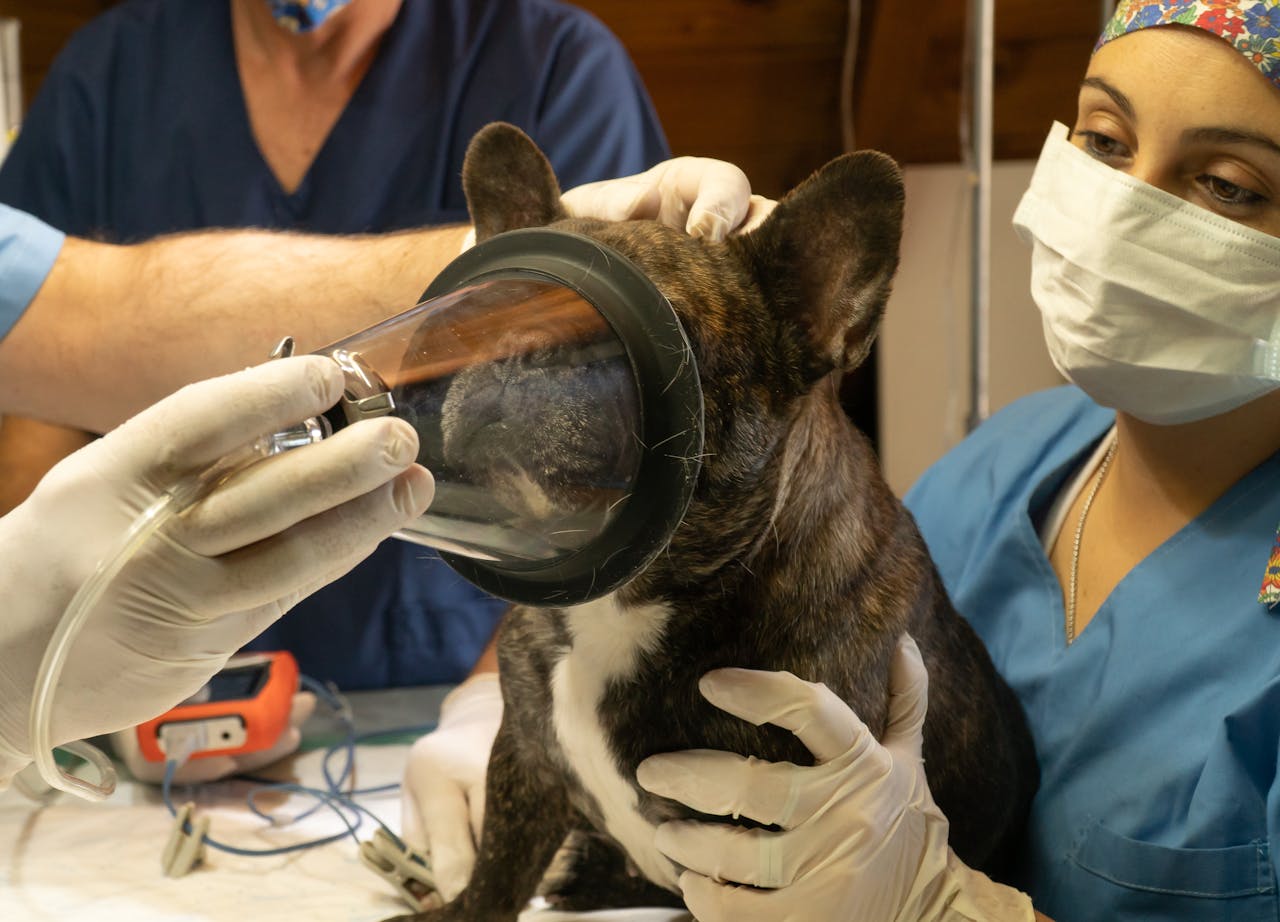
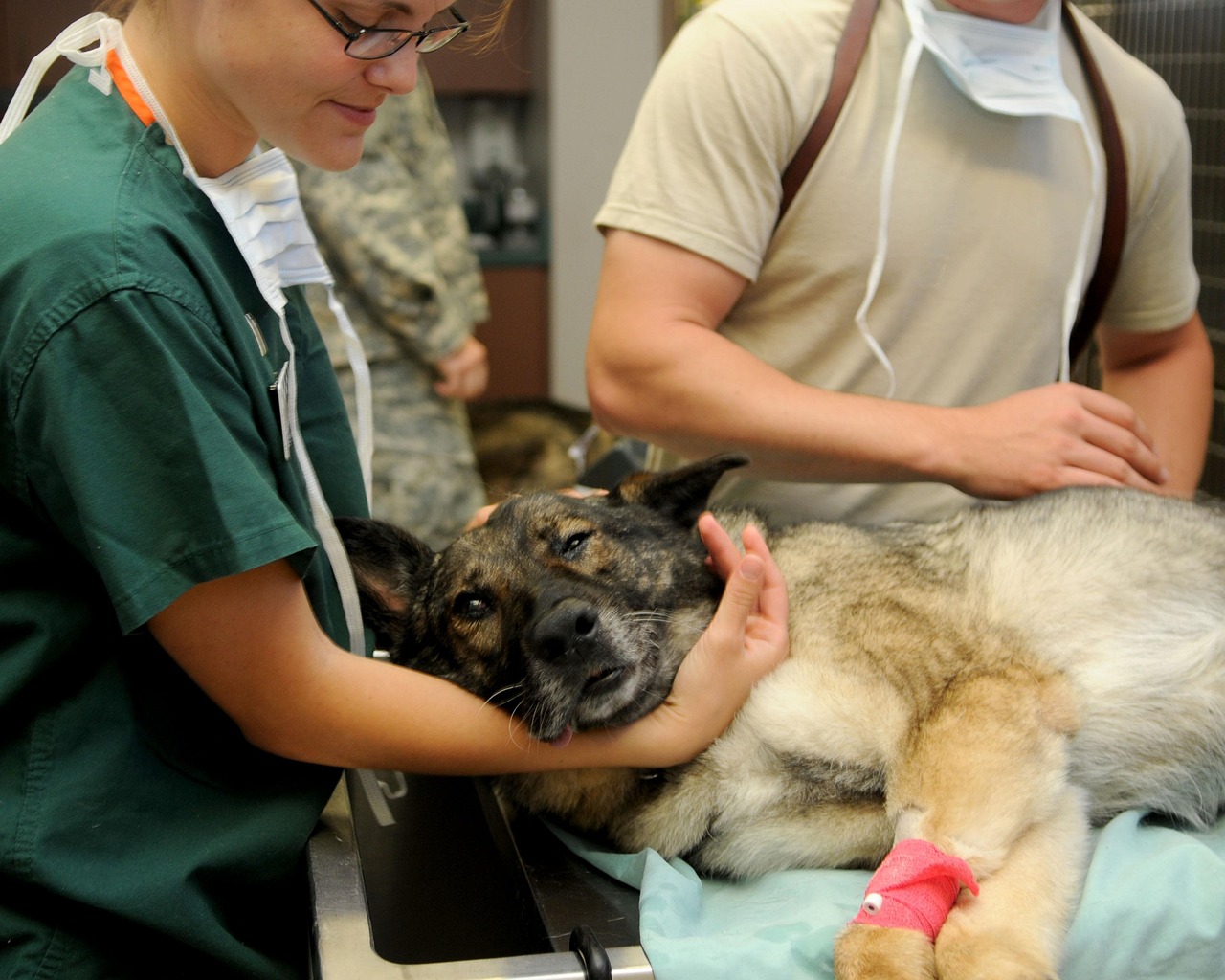
Not every pet parent wants insurance to cover every ear infection or mild skin flare-up. Some simply want protection against the events that could devastate a budget, such as a major accident, a crucial surgery, or a sudden serious illness.
If your primary concern is guarding against financial catastrophe, a high deductible fits naturally. You pay a lower monthly premium because you are not asking the policy to cover small recurring issues. Instead, you are relying on insurance for its strongest purpose, which is stepping in when the numbers climb into the frightening range.
This approach works well for people who can manage smaller expenses without stress but would struggle with a bill that suddenly reaches several thousand dollars.
3. You Have Some Savings But Not Enough For A Major Emergency
Many pet parents fall into a middle zone. They have a modest emergency fund that could easily cover a few hundred dollars but would not survive a multi-thousand dollar curveball. High-deductible insurance fills that gap in a comfortable way.
You can choose a deductible that matches what you could realistically pay from savings, and the insurance steps in after that point. As a result, you maintain a lower monthly premium while also knowing that a true emergency will not force you into debt or an impossible decision.
This type of plan lets you use your savings strategically, rather than hoping they will stretch far enough during a crisis.
4. You Have Multiple Pets And Need To Keep Monthly Costs Under Control
Households with multiple pets face a unique challenge. Insuring every animal with a low deductible can quickly become too expensive. High-deductible plans make multi-pet coverage more realistic and more sustainable.
Each pet remains protected against serious accidents or illnesses, while your combined monthly premium stays at a level that feels manageable. You can also adjust deductibles based on each animal’s health and age. A younger or healthier pet might do well with a higher deductible, while a senior or more vulnerable pet may benefit from a lower one.
This flexible approach allows you to be fair to all your animals without overwhelming your budget.
5. You Prefer Predictable Monthly Bills And Fewer Insurance Claims
Some people want simplicity. They do not want to file a claim every time their pet has a minor issue. They prefer a steady, lower monthly payment and the freedom to handle routine visits themselves.
High-deductible plans fit naturally into that style of budgeting. They encourage you to view insurance as a tool for serious situations rather than a constant part of everyday care. For many owners, this leads to a calmer and more intentional relationship with their pet’s healthcare expenses.
It also eliminates the habit of leaving the vet’s office wondering whether a minor bill is worth submitting. You save the paperwork for the moments that genuinely matter.
6. You Are Comfortable With Some Risk And Want The Lowest Possible Premium
High-deductible coverage requires a certain level of comfort with uncertainty. Some people would rather pay a higher monthly premium in exchange for knowing that nearly every vet bill will be reimbursed. Others prefer the opposite approach. They want the lowest monthly cost and are comfortable taking on more responsibility upfront.
A high deductible works well if you understand exactly what amount you would need to pay before insurance activates, and you feel confident you could handle that number if necessary. Once that threshold is set, you can enjoy significantly lower premiums and trust that you are still protected when the stakes get high.
This approach can be both strategic and financially efficient, especially when paired with a small savings buffer.
How To Decide If A High Deductible Fits You And Your Pet
Choosing a deductible becomes much easier once you evaluate your real-life circumstances. Consider your pet’s age, overall health, and the types of vet bills you have faced in the past. Think about what you could realistically pay out of pocket today. Reflect on whether you are more anxious about small recurring expenses or about rare but enormous ones.
One helpful step is to compare two quotes with the same coverage except for the deductible. Look at the total cost difference over a year and then consider how often your pet might actually meet that lower deductible. If the extra premium for a lower deductible outweighs the likely benefit, a high deductible becomes a very logical option.
The right deductible is simply the one that matches your pet’s needs and your financial comfort level.
A high-deductible pet insurance plan is not a lesser form of coverage. It is a different financial strategy. It works especially well for pets who are relatively healthy, for people who prefer coverage focused on major emergencies, for households with multiple animals, and for anyone who wants lower monthly costs without sacrificing long-term security.
The goal is not to find a one-size-fits-all answer. The goal is to choose a plan that lets you say with confidence that if something serious happens, you already know how you will handle it.