If you share your home with more than one pet, you already know the joys multiply. The cuddles stack. The routines get funnier. The personalities bounce off each other in ways you could never predict.
But the hard truth is that vet costs can multiply just as fast, especially when two or three pets need care close together. It is not only the price of one emergency visit. It is the reality that life happens in clusters: a dental for one, an accident for another, then a sudden illness for the third. Pet insurance cannot prevent those moments, but it can help you make decisions based on what your pet needs, not what your bank account can handle this week.
Below are six real-life situations where pet insurance can make a major difference for households with multiple pets.
1. When two pets get sick back to back
Illness does not always arrive politely, one at a time.
Maybe your older dog starts vomiting and needs bloodwork and imaging. While you are still monitoring recovery, your cat stops eating and needs an urgent exam and medications. Even if each issue is manageable, the timing can be brutal.
This is where insurance can feel like a pressure valve. Instead of hesitating, spacing out tests, or hoping things improve overnight, you are more likely to go in sooner for the second pet because you are not still financially recovering from the first visit.
In multi-pet homes, the most underrated benefit is simply the ability to act quickly twice without feeling like you have to choose the “more urgent” pet.
2. When one emergency triggers a chain reaction at home
Emergencies can ripple through a household.
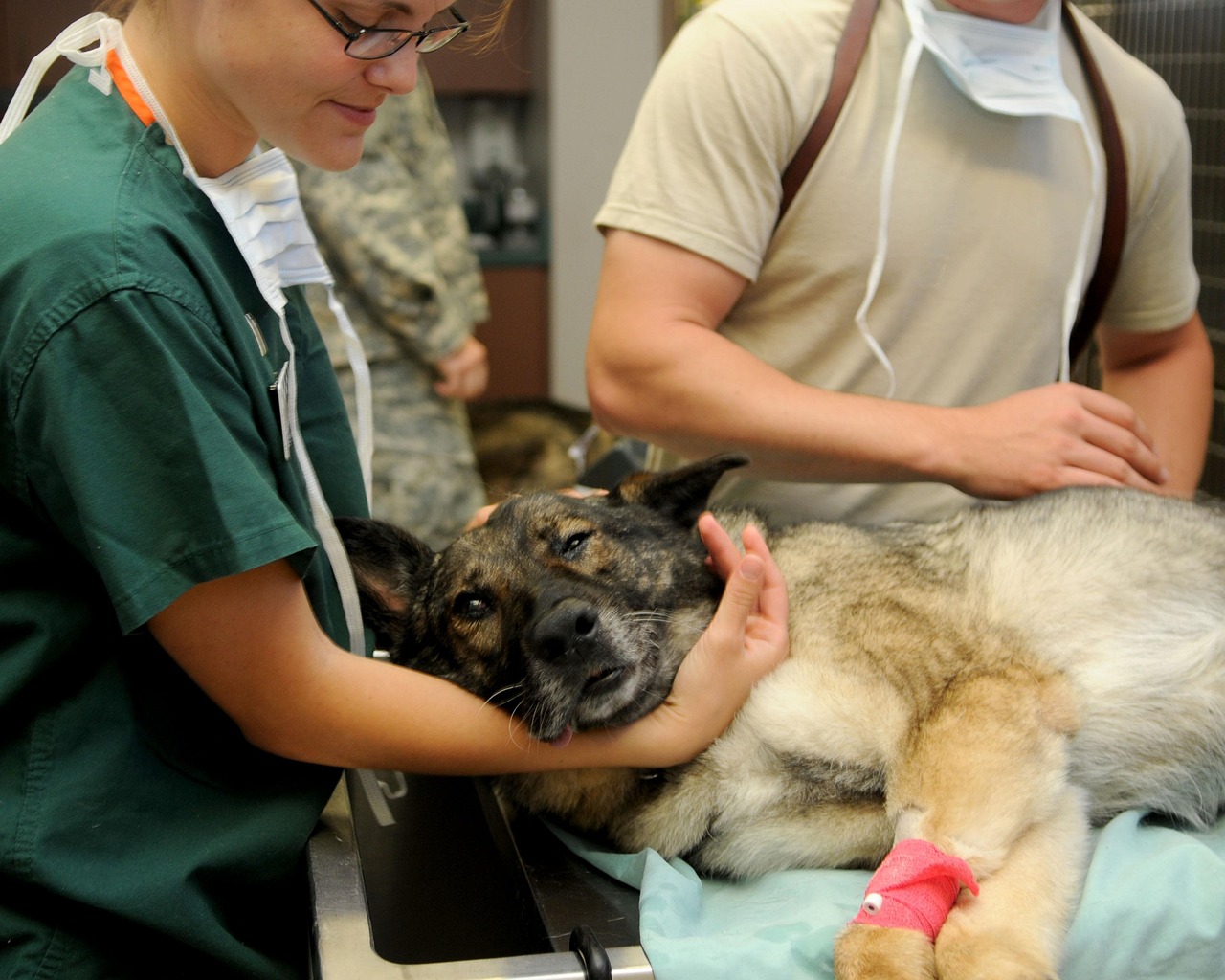
A dog may come home after surgery needing strict rest, medications, and follow-up appointments. That alone is a lot. But your other pets might react: stress, appetite changes, even minor scuffles because the normal routine is disrupted.
Sometimes the second problem is not dramatic at first. A small limp from a playful jump that turned into something worse. A cat that develops urinary issues after a stressful week. A pet that stops eating when their buddy is gone overnight at the hospital.
Insurance can help here because you are not spending your entire “pet budget” on the first emergency. You can still afford the follow-up care that keeps the household stable, even when multiple pets are reacting to the same event.
3. When a shared risk affects more than one animal
Certain household hazards do not target just one pet.
A dropped pill. Chocolate left on a counter. A houseplant that turns out to be toxic. A bag of treats that gets chewed open. Sometimes it is a pantry raid by the dog and the cat “helping” by licking crumbs off the floor.
In these moments, it is not just one emergency fee. It can be multiple urgent visits, multiple sets of lab tests, multiple treatments, and the sickening feeling of watching more than one pet suffer at the same time.
If you have ever had to make a fast decision under stress, you know how much it helps to remove one major variable. Insurance can reduce the “what can we afford right now” panic, especially when two pets are involved in the same incident.
4. When chronic conditions stack over the years
Multi-pet households are often a mix of ages. You might have a senior dog with arthritis, a middle-aged cat with allergies, and a young pet who seems indestructible until they are not.
Chronic care is not always one big bill. It is the slow accumulation: medications, recheck appointments, special diets, diagnostic monitoring, and occasional flare-ups that require additional testing. Over time, it can feel like you are always paying for something.
This is where insurance can help you stay consistent. Instead of stretching prescriptions, delaying rechecks, or skipping recommended monitoring, you can keep each pet’s care on track. That matters because chronic conditions often do better with steady management, not reactive care.
And in a multi-pet home, consistency is what keeps you from falling behind on one pet because another pet’s needs just got more expensive.
5. When dental problems hit more than one pet
Dental care is one of those costs many families do not see coming until it is already urgent.
Bad breath turns into inflamed gums. Then a tooth breaks. Then your vet recommends a cleaning with extractions. And if you have multiple pets, there is a good chance you will hear that recommendation more than once.
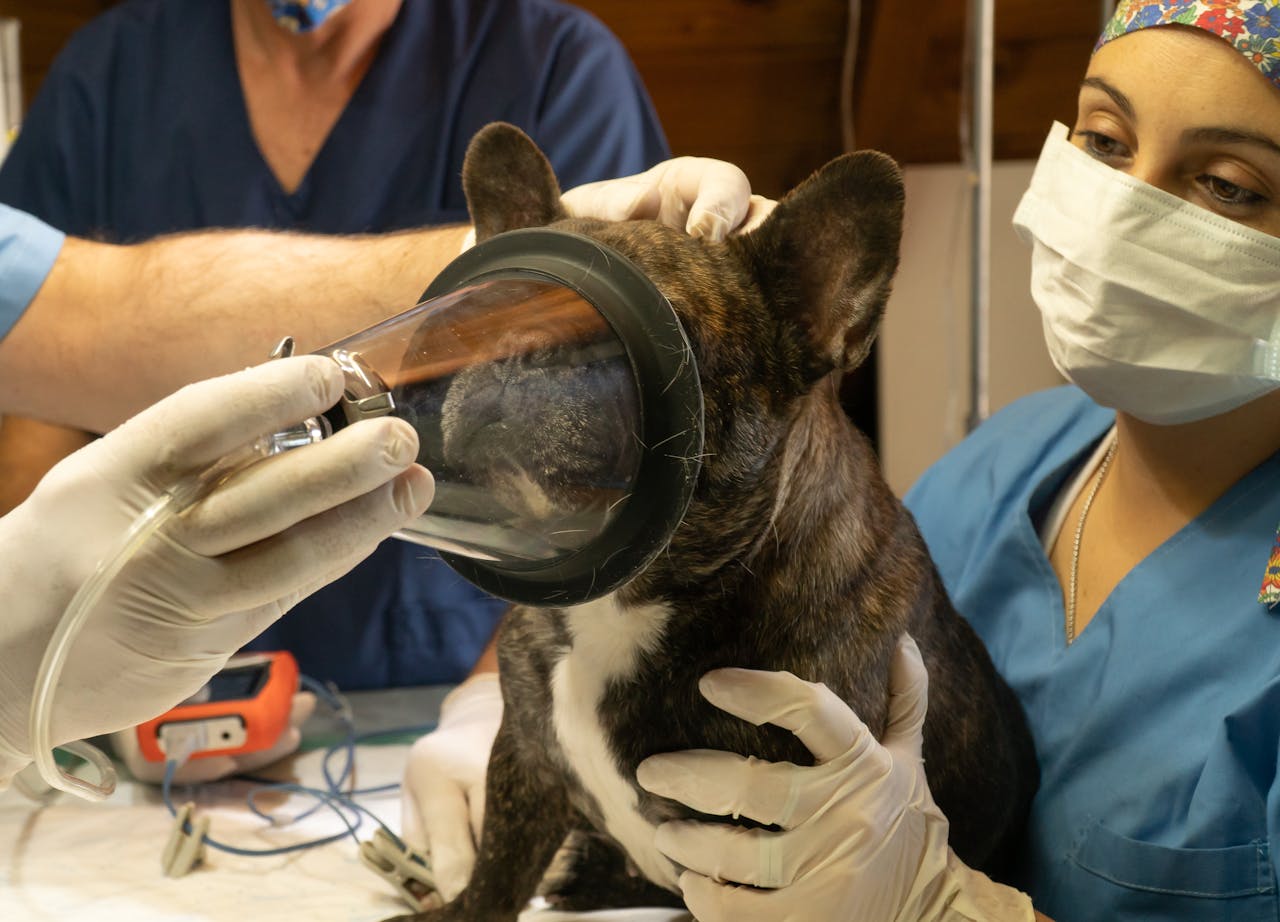
Dental procedures can be pricey because they involve anesthesia, monitoring, X-rays, and sometimes surgical extractions. Even if your pets are otherwise healthy, dentistry can become a major multi-pet expense, especially if genetics or breed tendencies are involved.
Pet insurance can help lessen the blow when dental issues appear close together, which is common in households with pets around the same age. And it can help you say yes to the care sooner instead of waiting until pain or infection forces an emergency decision.
6. When the “big diagnosis” happens and you still have other pets to care for
Some diagnoses change everything. Cancer. Heart disease. Diabetes. A neurological condition. Kidney disease. The kinds of diagnoses that come with specialist visits, advanced imaging, ongoing medication, and frequent monitoring.
When that happens to one pet, the emotional weight is heavy enough. The financial side can become overwhelming, especially when you still have other pets who need regular care: vaccines, preventatives, grooming, checkups, food, and the random mishaps that happen in everyday life.
Insurance can help you protect the rest of the household while you fight for the pet who needs the most. It is not about turning love into math. It is about keeping your family functioning so you can show up for everyone.
In a multi-pet home, a single major diagnosis can consume resources quickly. Insurance can help you avoid the painful scenario where one pet’s care forces you to delay needed care for another.
Pet insurance is not magic, and it is not one-size-fits-all. Plans differ on what they cover, how deductibles work, and what counts as a pre-existing condition. But for households with multiple pets, the value often shows up in a simple way: it helps you stay steady when life gets messy.
Because when you love more than one animal, you are not just managing health. You are managing timing, stress, routines, and the reality that emergencies rarely schedule themselves one at a time.
If you want, tell me what pets you have (species, ages, and any known health issues), and I can help you add a short, practical “How to choose coverage for multiple pets” section that matches your household without sounding salesy.