Sharing life with an animal comes with a quiet promise. You will do your best to keep them safe and comfortable. Then the first big vet bill arrives, and that promise suddenly feels far heavier than it did when you were just choosing a collar and food bowls.
Veterinary medicine has advanced in remarkable ways. Clinics now offer treatments once found only in human hospitals. That progress benefits our pets, but it also pushes the prices of care upward. You are not imagining it. Routine visits, medication, diagnostics, and emergency care all cost more than they did a few years ago.
You cannot predict every surprise, but you can give yourself more room to breathe. Pet insurance is not magic, yet it can turn a frightening bill into something manageable, without draining savings or creating long term stress.
Below are seven vet costs that are rising along with clear explanations of how insurance can genuinely help.
1. Routine exams and wellness visits
A yearly or twice yearly visit used to feel simple. Now those appointments often include a full physical evaluation, weight and body condition scoring, dental examination, blood pressure checks for senior pets, and basic screening tests. This comprehensive approach is valuable because early detection often prevents bigger problems later. But when the exam fee, vaccine boosters, and tests all appear on one invoice, the total can catch anyone off guard.
How insurance can help
Most accident and illness plans do not automatically cover regular wellness care. However, many companies offer optional wellness coverage. This type of add on can help pay for routine exams, vaccinations, bloodwork, flea and tick prevention, and heartworm protection. If you prefer spreading predictable care across the year, wellness coverage can soften the blow of those routine visits.
2. Vaccinations and preventive care
Vaccines continue to rise in price. Core vaccines protect against serious diseases, and lifestyle vaccines such as leptospirosis, Lyme, canine influenza, and Bordetella may be recommended depending on how your pet lives. Preventive products such as flea and tick medication, heartworm protection, and dewormers also add up quickly. When reviewed across a full year, preventive care often reaches several hundred dollars.
How insurance can help
Accident and illness plans focus on unexpected medical needs, but wellness upgrades can reimburse a portion of your yearly preventive care. This can be especially helpful if your pet requires frequent vaccines due to boarding, daycare, grooming, hiking, or travel. For many pet owners, wellness coverage functions almost like a predictable yearly budget for preventive care.
3. Emergency visits and after hours care
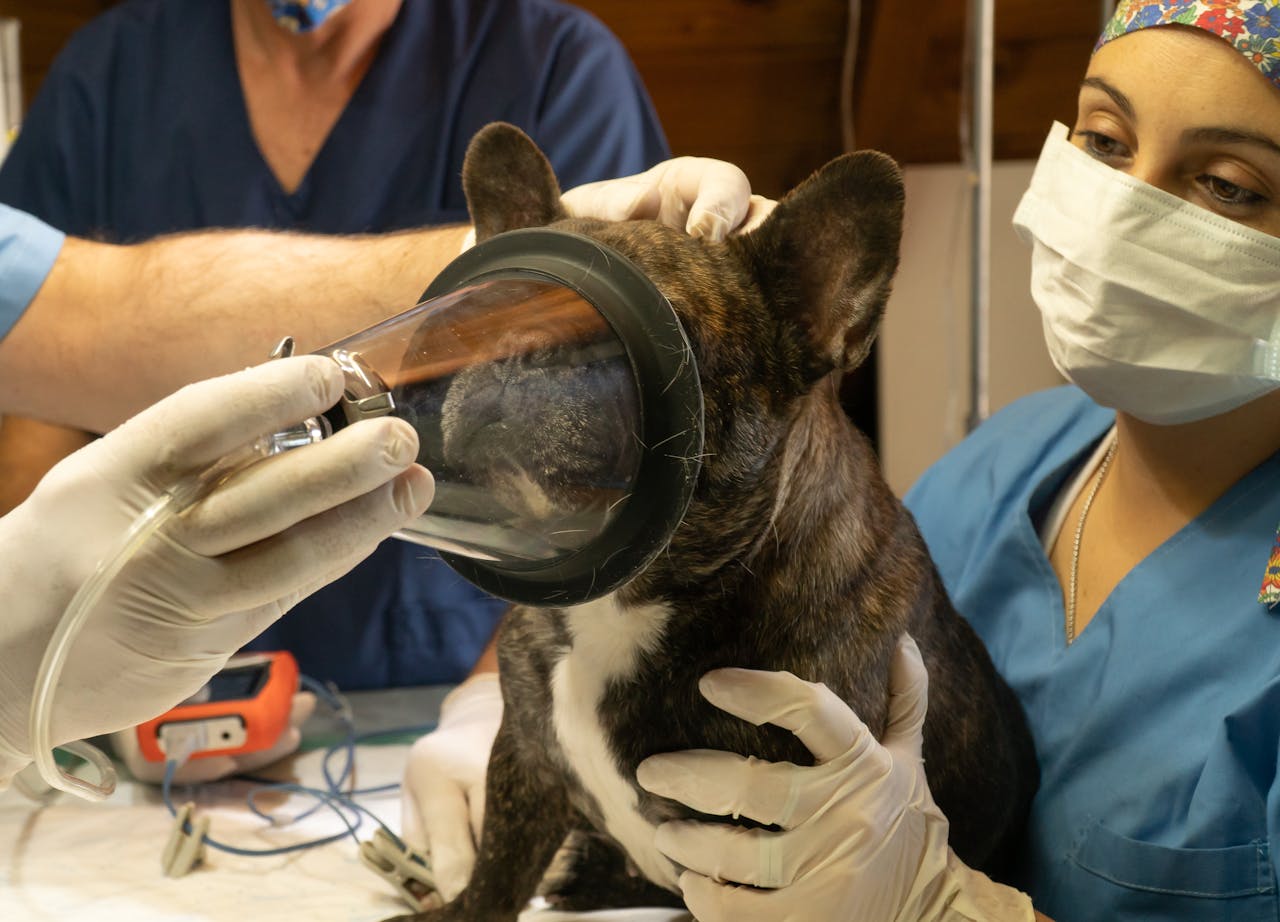
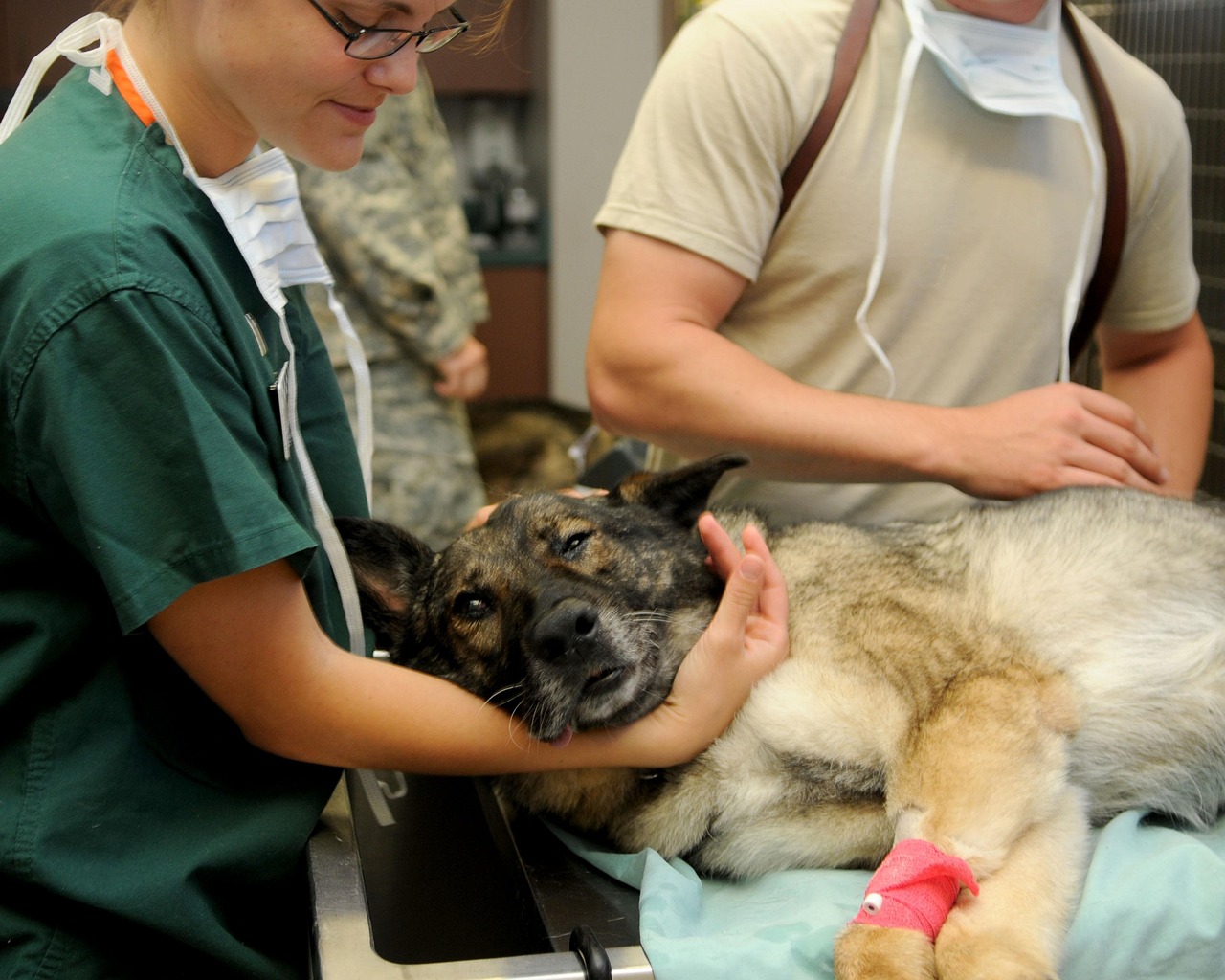
Emergency care produces some of the highest and most shocking bills. Even a simple late night visit for sudden vomiting or limping can involve an elevated exam fee, an after hours surcharge, bloodwork, imaging, fluids, medication, and possibly a short hospital stay. If surgery or intensive care becomes necessary, the cost can grow from stressful to overwhelming.
How insurance can help
Emergency care is one of the areas where pet insurance offers the greatest relief. Most accident and illness plans cover emergency consultations, hospitalization, surgery, imaging, and supportive care. After you meet your deductible, the insurer reimburses a percentage of the remaining costs. Without insurance, every emergency becomes a financial decision. With coverage, your focus can stay on your pet and the treatment they need most.
4. Diagnostic tests such as bloodwork and imaging
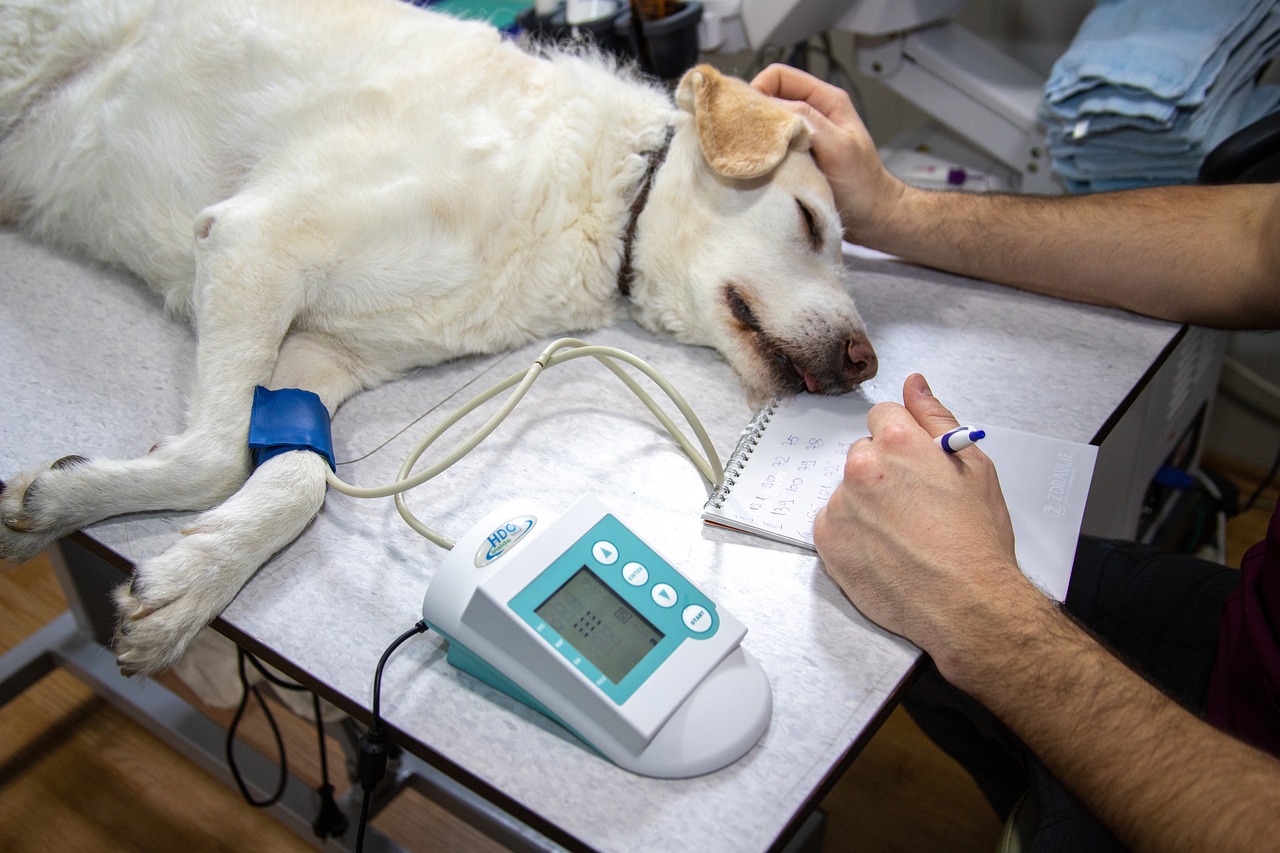
Modern veterinary clinics rely heavily on diagnostic tools. These include blood and urine analyzers, digital X rays, ultrasound, blood pressure monitoring, and in advanced cases CT or MRI through referral hospitals. These tools are essential because many symptoms are vague and require testing to uncover the real cause. Although each test may feel manageable, multiple tests during a single visit can raise the total quickly.
How insurance can help
Accident and illness plans typically cover medically necessary diagnostic tests. This includes blood testing, urinalysis, fecal exams, X rays, ultrasound, and advanced imaging performed through referral centers. Knowing that a significant portion of this work will be reimbursed makes it easier to approve the testing your vet recommends. Faster answers often lead to more effective treatment.
5. Surgery and anesthesia
Surgery involves many rising costs including pre surgical bloodwork, anesthesia, monitoring, supplies, the surgeon’s expertise, pain control, and hospitalization afterward. Even common procedures such as dental cleanings or spay and neuter surgeries cost more today because clinics use safer standards of care with more advanced monitoring and better pain management.
How insurance can help
Pet insurance often covers the full spectrum of surgical care including pre surgical testing, the surgery itself, post operative medication, and hospital recovery. This becomes especially important with orthopedic issues such as torn cruciate ligaments. These injuries are common and expensive. A strong insurance policy can determine whether you choose surgery or feel forced to settle for limited long term management. One important detail is that many plans have waiting periods and special rules for knee injuries or hereditary concerns, so reading these sections before enrolling is essential.
6. Chronic illness management
Some of the most expensive veterinary needs do not happen in one big moment. They unfold slowly across months and years. Chronic conditions such as allergies, diabetes, thyroid disease, kidney disease, and arthritis require repeated checkups, ongoing lab work, long term medication, and sometimes prescription diets. The cost is easy to overlook month by month, but it becomes significant over time.
How insurance can help
Accident and illness plans generally cover chronic conditions for as long as the policy remains active. The condition must begin after enrollment and after the waiting period. Once covered, the treatments, follow up visits, and monitoring tests can be reimbursed year after year. For many pets that develop health needs in middle age or senior years, this long term support becomes one of the most valuable benefits of insurance.
7. Prescription medication and special diets
Medication pricing continues to rise. Some newer drugs for pain, allergy control, and autoimmune issues work incredibly well but cost far more than older options. Prescription diets for kidney disease, urinary tract health, food allergies, or weight management also increase monthly expenses. These diets are part of treatment plans and cannot be changed casually without risk.
How insurance can help
Many accident and illness plans reimburse prescription medication that treats covered conditions. Some plans also help with prescription diets when they are part of a medical treatment strategy. Policies vary widely, so it is important to check these details carefully. If your pet already depends on medication, review the rules around pre existing conditions, since those are usually excluded. New issues that arise after enrollment are generally covered.
How to choose insurance that truly helps
Understanding rising costs is only part of the equation. Choosing the right policy is what determines whether insurance will actually protect you when you need it.
Begin by selecting the type of coverage. Accident only plans cover injuries from events like falls or accidents. Accident and illness plans cover injuries and most medical conditions. Optional wellness coverage helps with predictable yearly care.
Next, consider the deductible. A higher deductible lowers your monthly cost but increases what you pay when care is needed. Choose a level that you can meet comfortably.
Your reimbursement rate also matters. Many plans offer seventy, eighty, or ninety percent reimbursement after the deductible. A higher percentage costs more each month but saves more during large claims.
Annual or lifetime limits define how much your insurer will pay. If you worry about emergencies or chronic illnesses, a higher limit provides stronger peace of mind.
Always review exclusions and waiting periods. Every plan has rules about what is not covered and when coverage begins. Some conditions such as knee injuries or hereditary issues have unique restrictions.
Finally, remember that your pet’s age and breed influence premiums. Younger pets are cheaper to insure and less likely to have conditions excluded as pre existing.
Rising veterinary costs are not a sign that you are falling short as a pet parent. They reflect a world where veterinary care is more advanced and more capable than ever. Insurance does not erase every challenge, but it does cushion the financial impact when life takes an unexpected turn. Instead of wondering whether you can afford the care your pet needs, you gain the freedom to focus on what will help them feel better and live longer.
If you feel torn between providing the best care and worrying about the bills, you are far from alone. Exploring pet insurance before the next emergency or diagnosis is a meaningful way to protect both your pet and your peace of mind.