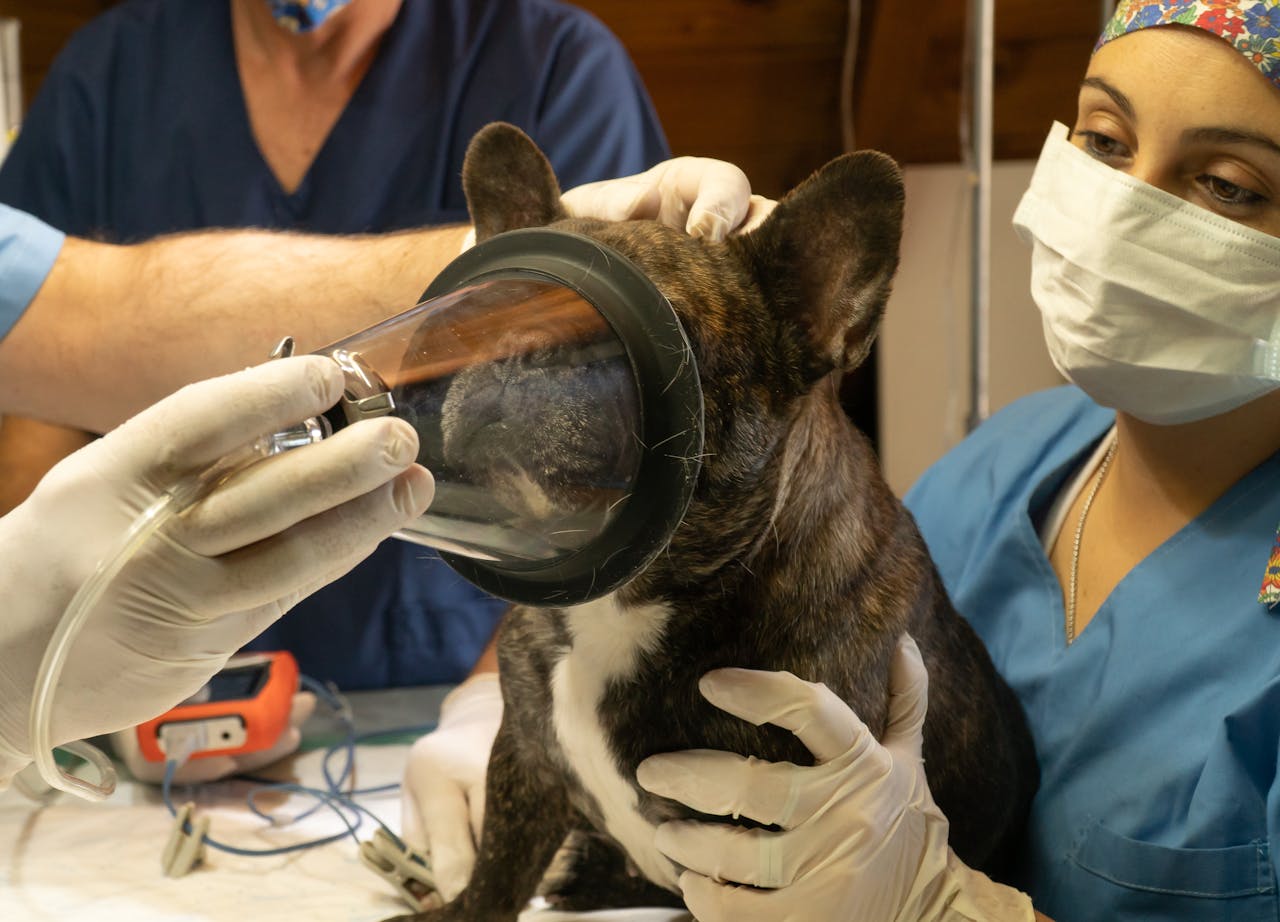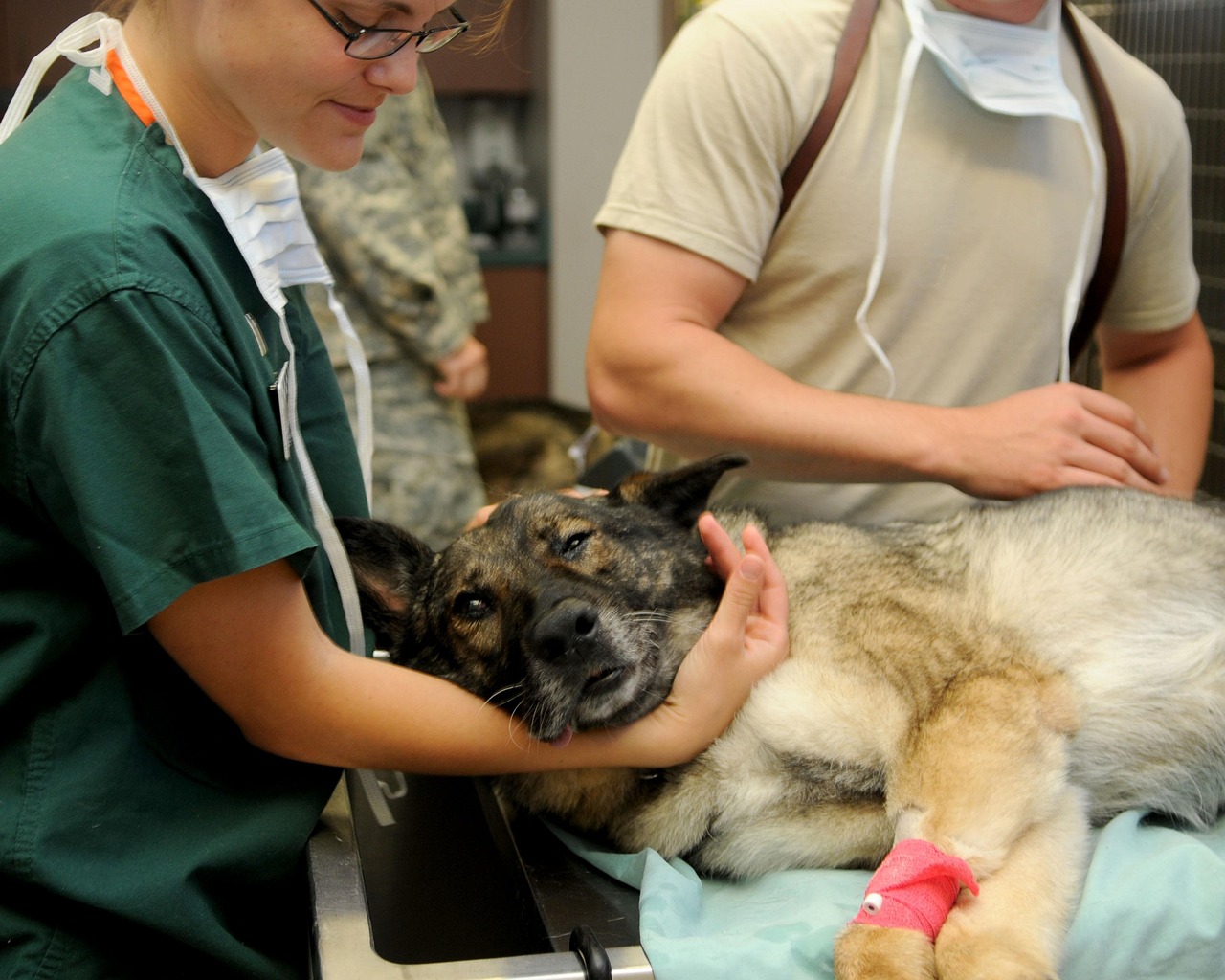

Pets are more than companions; they are family. This bond often leads owners to consider pet insurance as a safeguard against unexpected medical expenses. While pet insurance can be invaluable in many situations, it is not a universal solution. Understanding its limitations can save both money and stress. Here are eight scenarios where pet insurance might not help and practical alternatives to consider.
1. Pre-Existing Conditions
One of the most common limitations of pet insurance is coverage for pre-existing conditions. If your pet has already been diagnosed with an illness or injury, insurance policies typically exclude these conditions.
What to do instead: Focus on preventative care and routine wellness. Regular check-ups, vaccinations, and proper diet can minimize complications and reduce future expenses. Some pet owners also set up a dedicated emergency fund specifically for known health issues.
2. Routine Care and Preventive Treatments
Pet insurance rarely covers everyday care such as vaccinations, flea and tick prevention, dental cleanings, or spaying and neutering. These costs are considered routine maintenance rather than unexpected medical emergencies.
What to do instead: Create a monthly budget for preventative care. Consider wellness plans offered by veterinarians, which often provide discounted packages for vaccinations, dental care, and routine exams.
3. Cosmetic or Elective Procedures
Procedures like tail docking, ear cropping, or cosmetic dental work are almost never covered. Insurance focuses on medically necessary treatments, not elective surgeries.
What to do instead: Research and prioritize procedures based on your pet’s actual health needs. Consult your veterinarian about non-essential treatments and weigh the costs versus potential benefits.
4. Behavioral Issues
Insurance policies generally exclude behavioral treatments unless they are directly linked to a medical condition. For example, treatment for anxiety or aggression is often considered outside the scope of coverage.
What to do instead: Behavioral problems can often be managed with training, environmental adjustments, or behavior-specific therapy. Investing in professional guidance early can prevent long-term issues.
5. Older Pets with Chronic Illness
Many insurance plans have age limits or significantly higher premiums for older pets. Even if you purchase a plan, chronic illnesses developed later in life may not be fully covered.
What to do instead: Focus on maintaining your older pet’s quality of life through diet, exercise, and regular veterinary visits. Some owners opt for catastrophic coverage only, which covers emergencies and major illnesses without routine care.
6. Breeding or Pregnancy Related Costs
Expenses related to breeding, pregnancy, or giving birth are typically excluded. Insurance is designed to address illness and accidents, not planned reproductive events.
What to do instead: If breeding is in your pet’s future, plan financially for prenatal care, birthing, and potential complications. Speak with your vet about safe breeding practices and emergency preparedness.
7. Alternative or Holistic Treatments
Treatments like acupuncture, chiropractic adjustments, herbal supplements, or hydrotherapy are rarely covered unless specified. Policies tend to favor traditional veterinary medicine.
What to do instead: Ask your veterinarian for a clear breakdown of the potential benefits and costs. If you pursue alternative therapies, consider including them in your personal pet care budget rather than relying on insurance.
8. Waiting Period Limitations
Some policies impose waiting periods before coverage begins. If your pet experiences an illness or injury during this time, you are responsible for all costs.
What to do instead: Read policy fine print carefully and plan for emergencies in advance. Having a financial safety net or emergency savings can help bridge the gap until coverage starts.
Pet insurance can be a powerful tool, but it is not a cure all. Recognizing where it falls short allows you to make informed choices and plan for your pet’s health in ways that truly matter. By combining preventative care, financial planning, and professional guidance, you can provide both security and well-being for your furry companion.