Watching a pet grow old is this strange mix of tenderness and worry. The gray muzzle, the slower walks, the longer naps on the couch. You love them even more, yet there is that quiet fear in the background. What if something happens. Can I afford the care they need.
That is where pet insurance can quietly become one of the most loving choices you make for an aging pet. It does not erase the hard moments, but it can remove a lot of financial panic and help you focus on being there for them.
Below are six detailed ways pet insurance can support you and your senior pet as they move into their later years.
1. Eases the Financial Shock of Age Related Health Problems
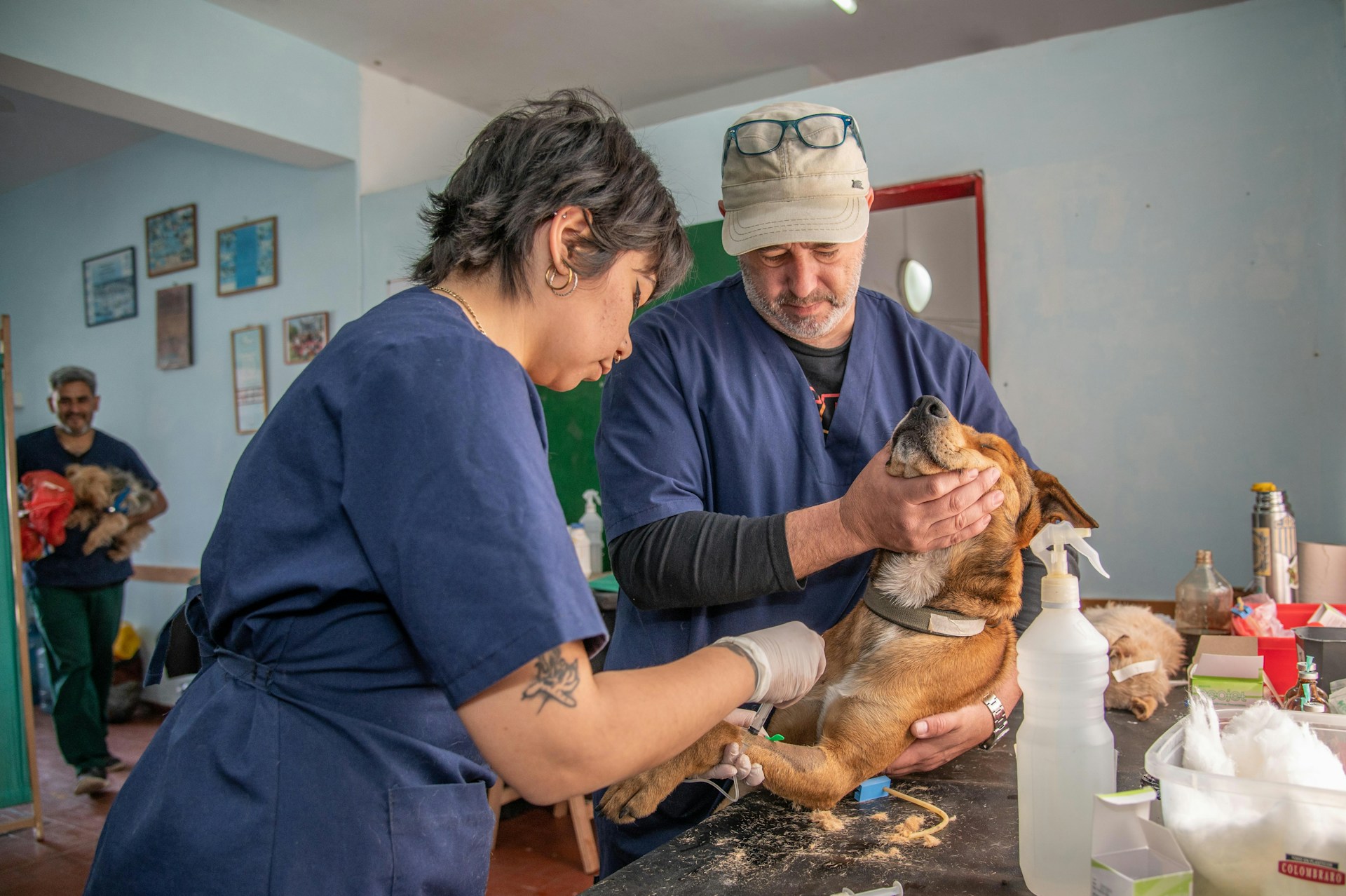
As pets age, the odds of health issues rise. Arthritis, heart disease, kidney problems, diabetes, dental disease and cancer often appear during these later chapters. Without insurance, even one diagnosis can bring a heavy financial burden because initial tests, medication schedules, follow up appointments and specialist evaluations add up quickly.
Pet insurance does not eliminate the cost of treatment, but it can transform a frightening sum into something manageable. Instead of choosing between your savings and your pet, you share that responsibility with the insurer. This support allows families to base decisions on what is medically best, not just what is financially possible.
2. Helps Cover Expensive Diagnostics That Seniors Often Need
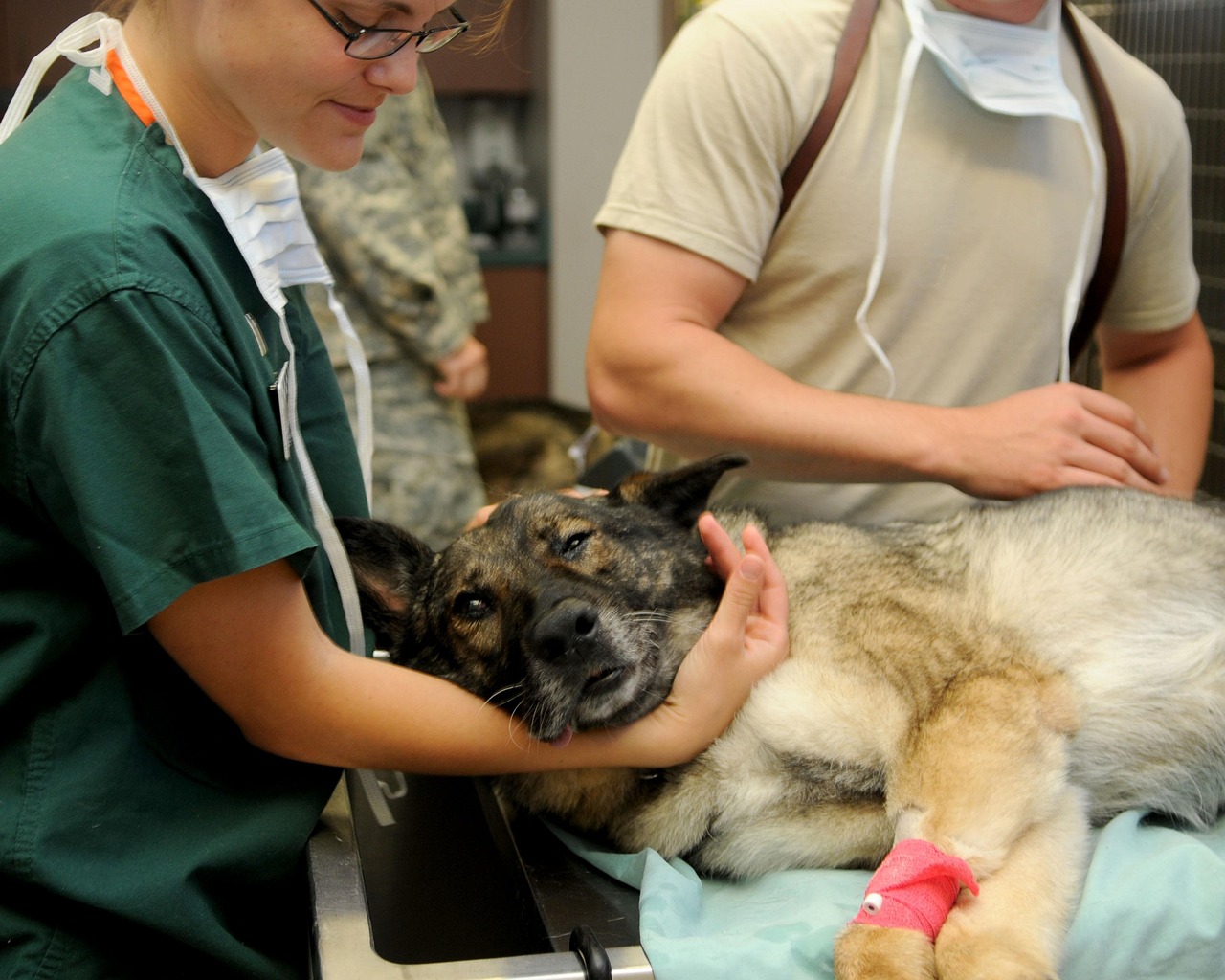
Older pets require more diagnostic work than younger animals. When something seems off, veterinarians often recommend bloodwork, urine analysis, X ray imaging, ultrasound studies and sometimes advanced scans such as CT or MRI. These tests are essential because they help uncover hidden problems before they become severe.
With coverage that includes diagnostics, you are more likely to agree to the tests your veterinarian recommends. Early detection leads to more effective treatment, reduced discomfort and a more accurate understanding of what your pet needs. There is a huge difference between hesitating over the price and feeling free to pursue answers without second guessing every step.
3. Makes Ongoing Treatment and Medications Less Overwhelming
Senior pets often shift from short term treatment plans to chronic care that lasts for years. This can include daily arthritis medications, long term management of kidney disease, heart conditions or thyroid disorders, and repeated follow up visits that create a steady financial strain.
Individually, each refill or checkup might seem small. Over time, they create a continuous expense that can silently stretch your budget thinner than expected. Insurance that reimburses routine medications and recurring treatments helps stabilize those costs. It prevents the gradual slide into inadequate care where appointments are skipped or doses reduced simply because they are too expensive. Aging pets rely on consistent care, not occasional attempts.
4. Opens the Door to Specialists and Advanced Care
Veterinarians often recommend specialists for senior pets. A cardiologist, oncologist, neurologist or orthopedic expert can provide more precise insight into your pet’s condition. They can offer treatment options that a primary veterinarian may not have the tools or training to provide.
Specialty care is valuable but costly. Consultation fees, specialized tests and advanced procedures can become significant obstacles. Insurance that covers specialist care makes it easier to say yes to referrals when they can improve comfort, extend life or give your pet more good days. Even if you ultimately choose a simpler treatment plan, it is reassuring to make that choice based on preference rather than limited resources.
5. Reduces Stress During Emergencies and Sudden Declines
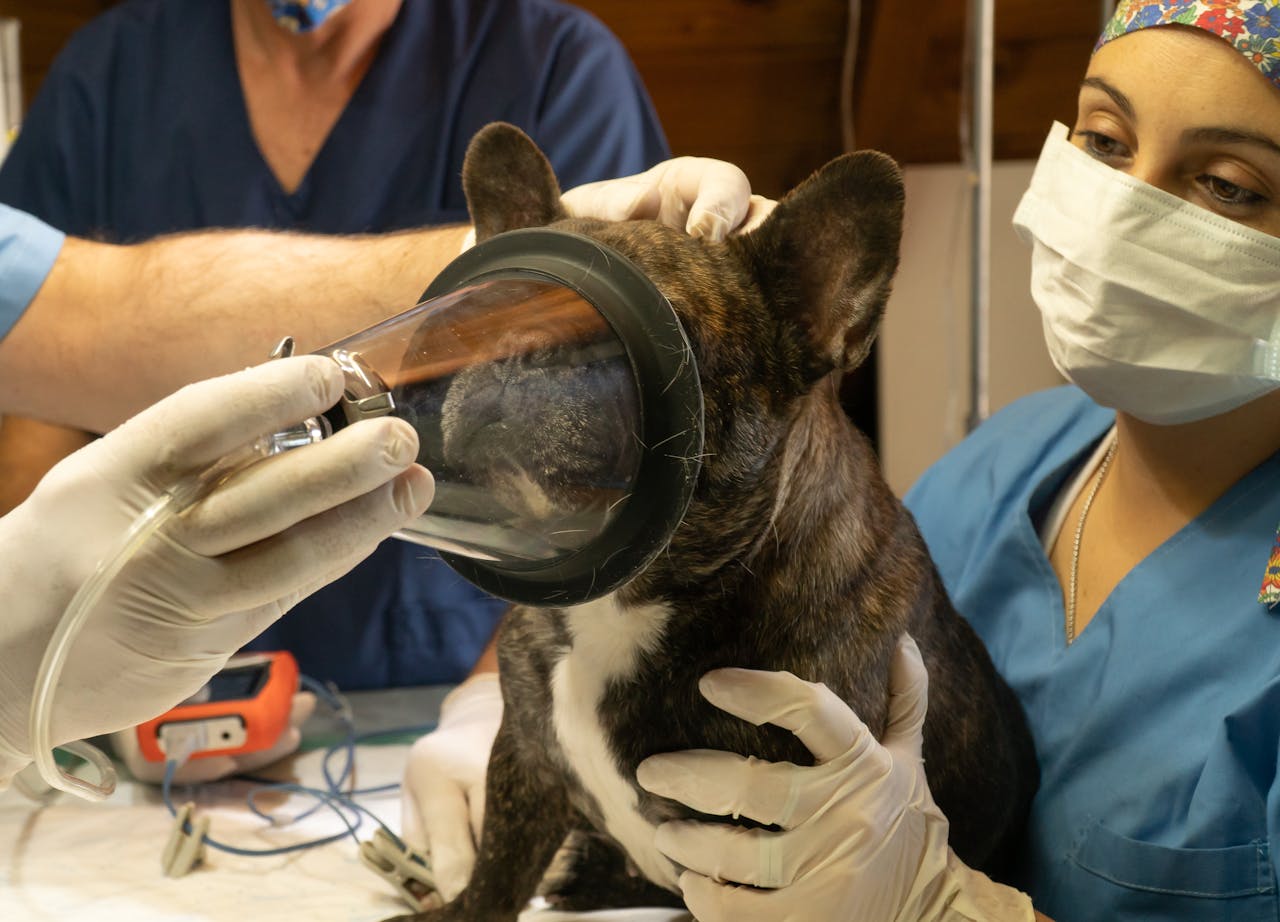
Senior pets can decline quickly, sometimes in a single day. A sudden loss of appetite, vomiting, collapse or difficulty breathing can turn into an emergency that demands immediate attention. Emergency care often involves higher fees, intensive monitoring, hospitalization, IV fluids, oxygen support or emergency surgery.
In crisis moments you are already frightened for your pet. Worrying about the cost of treatment adds another layer of fear. Insurance cannot erase the emotional weight of a medical emergency, but it can remove some of the financial terror. Knowing that part of the cost will be reimbursed helps you focus on your pet rather than the bill.
6. Helps You Focus on Quality of Life Instead of Basic Survival
Aging pets need more than lifesaving interventions. They need comfort and quality of life support. This may include pain management, physical therapy, hydrotherapy, acupuncture, laser therapy, dental care or specialized diets that support the heart or kidneys. These treatments are not always urgent but they significantly improve day to day comfort and happiness.
When money is tight, families often pay only for the urgent issues and skip anything labeled optional. Insurance that includes wellness or rehabilitative coverage can make it easier to prioritize these treatments. The result is less pain, better mobility, steadier appetite and more time where your pet still feels like themselves. Comfort, dignity and small joys are just as important as extra months of life.
Honest Things to Keep in Mind
Pet insurance is helpful, but there are realities to understand. Pre existing conditions are usually excluded, so enrolling while your pet is still relatively healthy is ideal. Policies vary in what they cover, especially when it comes to chronic or hereditary conditions. You will still pay upfront at most clinics and wait for reimbursement.
Even with these limitations, many pet owners describe insurance as a source of emotional relief. It gives them freedom to pursue care without second guessing every test or recommendation out of fear of the price.
Loving an Aging Pet Means Preparing for the Hardest Moments
There is a moment with almost every senior pet when you realize you are entering the final chapters. It is a gentle but heartbreaking awareness. You cannot control everything that happens in those chapters, but you can prepare.
Pet insurance is one way of saying that when your pet needs you the most, you want to be able to show up fully. It is not about expecting the worst. It is about building a safety net so that if the unexpected happens, you can focus on love, comfort and quality of life rather than financial strain.
It is planning that comes from the heart, not fear, and it helps ensure that the time you have left together is spent with presence and peace rather than worry.