Pet insurance can feel like one of those things you pay for and hope you never need. Then a weird limp turns into an X ray and sedation, or a bad night of vomiting turns into a full workup at an emergency clinic, and suddenly you understand why people keep it.
Coverage depends heavily on your policy, your pet’s age, and what counts as “pre existing.” But many plans are built for the big, wallet bending moments. Below are 10 expensive vet procedures that pet insurance might cover, written in a real world way, with the stuff owners usually wish they had known earlier.
1) Emergency room stabilization and hospitalization
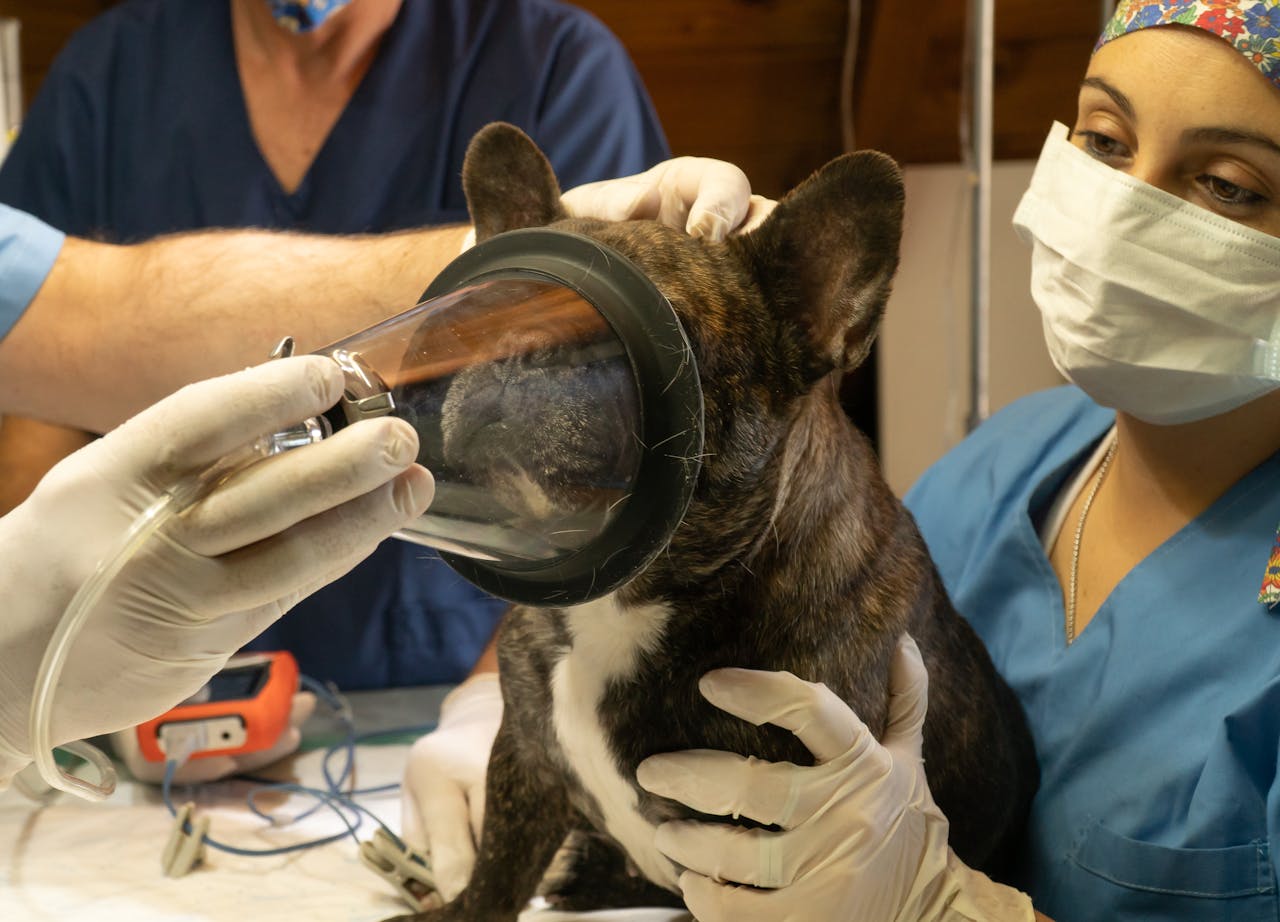
When something goes wrong fast, the first costs are often the biggest shock. Emergency clinics may start with triage, then move to oxygen support, IV fluids, pain meds, temperature control, and monitoring. If your dog gets hit by a car or your cat crashes from a toxin, the bill can climb in hours, not days.
Many accident and illness policies may cover emergency stabilization and hospitalization, including the ER exam fee, supplies, medications, and the hospital stay. Emergency care is one of the main reasons people feel pet insurance “pays off.” But check whether your plan has a separate emergency exam fee limit or higher copay for ER visits.
2) Surgery for foreign body removal
Dogs, especially young ones, can swallow the most unbelievable things. Socks, corn cobs, toys, rocks, tampons, foam from a bed. Cats can get in trouble with string, ribbon, hair ties, and tinsel. When an object blocks the stomach or intestines, surgery may be needed quickly.
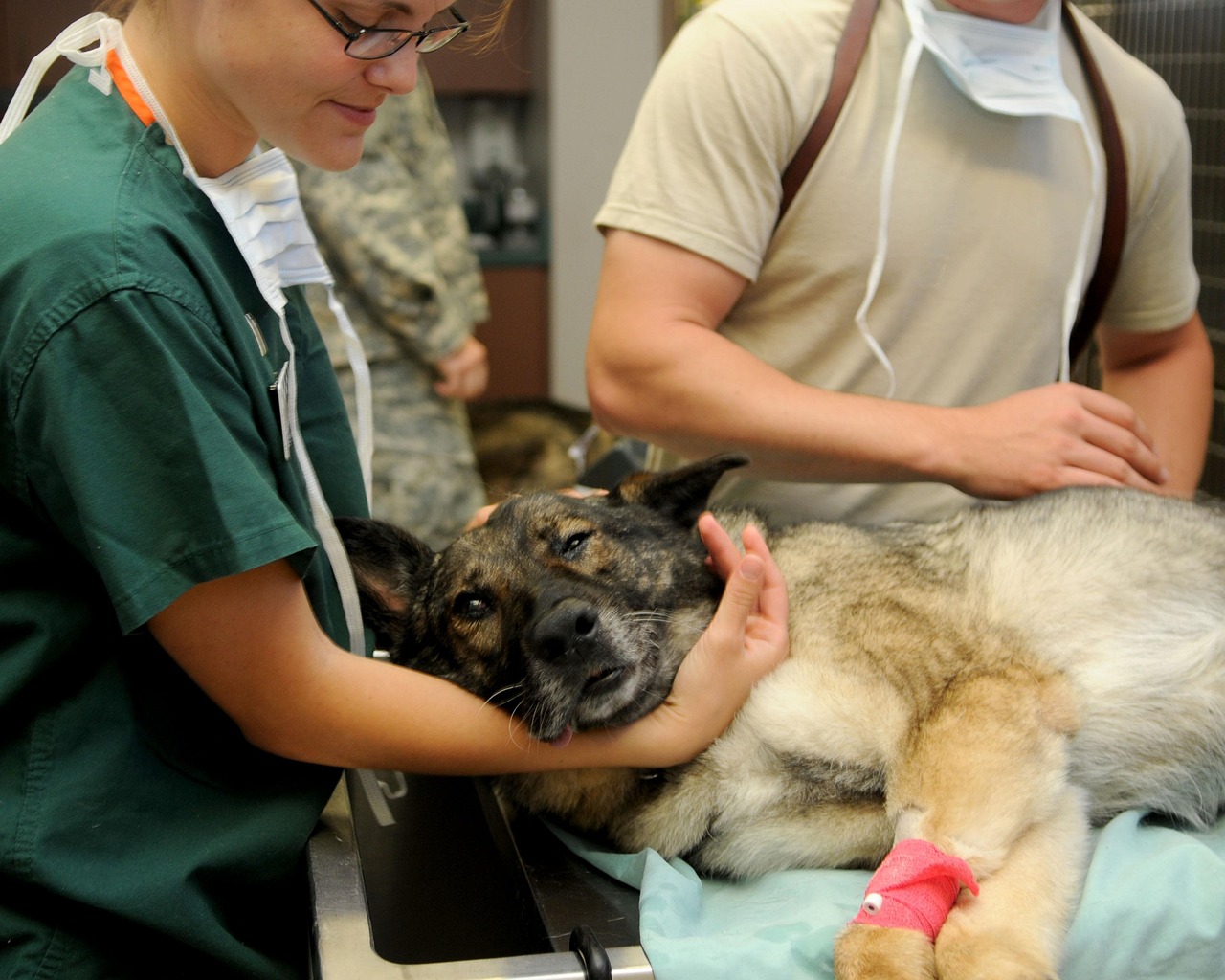
Foreign body surgery can involve imaging, anesthesia, an abdominal procedure, hospitalization, and multiple medications. Many policies may cover this as an illness or accident event, depending on how it’s documented. The biggest “gotcha” is waiting periods and exclusions if the pet has a history of gastrointestinal issues.
3) Treatment for bloat and stomach torsion
Gastric dilatation volvulus, often called GDV or bloat, is one of the scariest emergencies in dogs. The stomach expands with gas and can twist, cutting off blood supply. It requires immediate surgery and intensive care.
Costs tend to be high because it’s a true emergency, often with after hours staffing, advanced monitoring, and bloodwork. Many plans may cover GDV surgery and hospitalization if it’s not tied to a pre existing condition. If you have a large, deep chested breed, this is worth understanding early, because GDV can happen with little warning.
4) Advanced diagnostic imaging like CT, MRI, and ultrasound
Sometimes the hardest part is figuring out what is wrong. An ultrasound can help diagnose internal organ issues, masses, or fluid buildup. CT scans and MRIs are often used for neurological problems, certain cancers, or complicated injuries.
These tests can be expensive on their own, and they often lead to further treatment. Many pet insurance policies may cover advanced imaging if it’s medically necessary and ordered by a veterinarian. Diagnostics are often the hidden budget breaker, because you pay for answers before you pay for treatment. Read the fine print on whether your plan covers the consultation with a specialist too, because many imaging procedures happen through specialty clinics.
5) Orthopedic surgery like cruciate ligament repair
A torn cranial cruciate ligament is a common injury in dogs, and it can be painfully expensive. Repairs like TPLO or TTA are major procedures, often done by specialists, and usually involve imaging, anesthesia, surgery, and rehab afterward.
Some policies may cover the surgery, pain management, and follow up visits. But cruciate issues can be tricky because one knee problem sometimes predicts the other. Some insurers apply bilateral exclusions or limitations if the first knee is considered pre existing before the policy starts. If you are shopping for insurance and your dog is already limping sometimes, don’t ignore that detail.
6) Cancer treatment including surgery and chemotherapy
Cancer is one of the most emotionally heavy situations a pet owner can face, and it can also be one of the most expensive. Treatment may include surgery to remove a tumor, biopsy and pathology, staging tests, chemotherapy, radiation, and regular monitoring.
Many insurance plans may cover cancer treatment, including chemo, as long as it’s not linked to a pre existing condition. Coverage varies a lot here. Some plans will pay for chemo drugs and administration. Others cover only certain parts, or set annual limits. If cancer coverage matters to you, look closely at reimbursement rates, annual caps, and whether prescription meds are covered.
7) Dental extractions for severe disease
Dental procedures are complicated because “routine” cleanings are often not covered, while medically necessary extractions sometimes are. Severe periodontal disease, broken teeth, or painful infections can require anesthesia, dental X rays, multiple extractions, and antibiotics.
Some pet insurance policies may cover extractions if they’re tied to an illness or injury and if your pet has had regular dental care documented. This is where owners get blindsided. Your insurer may require proof of yearly dental exams or cleanings to cover dental disease later. Dental pain is real pain, and if coverage is important to you, choose a plan that is clear and fair on dental rules.
8) Chronic condition workups and management
Allergies, inflammatory bowel disease, arthritis, diabetes, kidney disease, thyroid issues. These are common long term problems, and they can be expensive not because of one dramatic event, but because they never really end.
Many plans may cover chronic conditions after the waiting period, including diagnostic tests, ongoing medications, periodic bloodwork, and follow up visits. The key is enrolling before symptoms appear. Once a condition exists, it can be labeled pre existing, and then future related costs may not be reimbursed. If your pet is young and healthy, this is the time when insurance is usually most useful.
9) Prescription medications and compounded meds
Some pets need daily meds for life. Others need expensive short term prescriptions after surgery or during infections. Depending on the plan, prescription medications may be covered, including medications from the vet and sometimes from outside pharmacies if the prescription is written by your veterinarian.
This matters more than people think. Even “small” medications add up over months. And compounded medications, especially for cats, can get pricey. Check whether your plan reimburses meds separately or bundles them under an overall incident limit.
10) Rehabilitation and physical therapy
After orthopedic surgery or serious injury, rehab can improve recovery and mobility. Think water treadmill sessions, therapeutic exercises, range of motion work, laser therapy, acupuncture, and pain management plans.
Some policies may cover rehab if it’s prescribed by a vet, while others only cover it through add on wellness packages or not at all. If you have a high energy dog who is likely to injure themselves, or an older pet already slowing down, rehab coverage can make a difference in both comfort and cost.
What to check before you assume it’s covered
Pet insurance is not one simple product. Policies vary a lot, so it helps to read a few specific sections before you buy or before you file a claim.
- Waiting periods: Accidents may have a shorter waiting period than illnesses.
- Pre existing conditions: Even mild past symptoms can matter.
- Annual and lifetime limits: Some plans have caps that change what “covered” really means.
- Reimbursement rate and deductible: A high reimbursement rate can still feel small if the deductible is high and you don’t meet it often.
- Exam fees and diagnostics: Some plans cover them, some limit them, some exclude certain consults.
If you want pet insurance to actually help during the big scary moments, the best approach is boring but effective: understand the exclusions, enroll early, keep up with routine records, and pick a plan that matches the kind of costs you would struggle to pay quickly.
Because when your pet is hurting, you do not want to be doing math in the parking lot. You want to be making the decision that feels right, and letting the financial part be the quieter voice in the background.