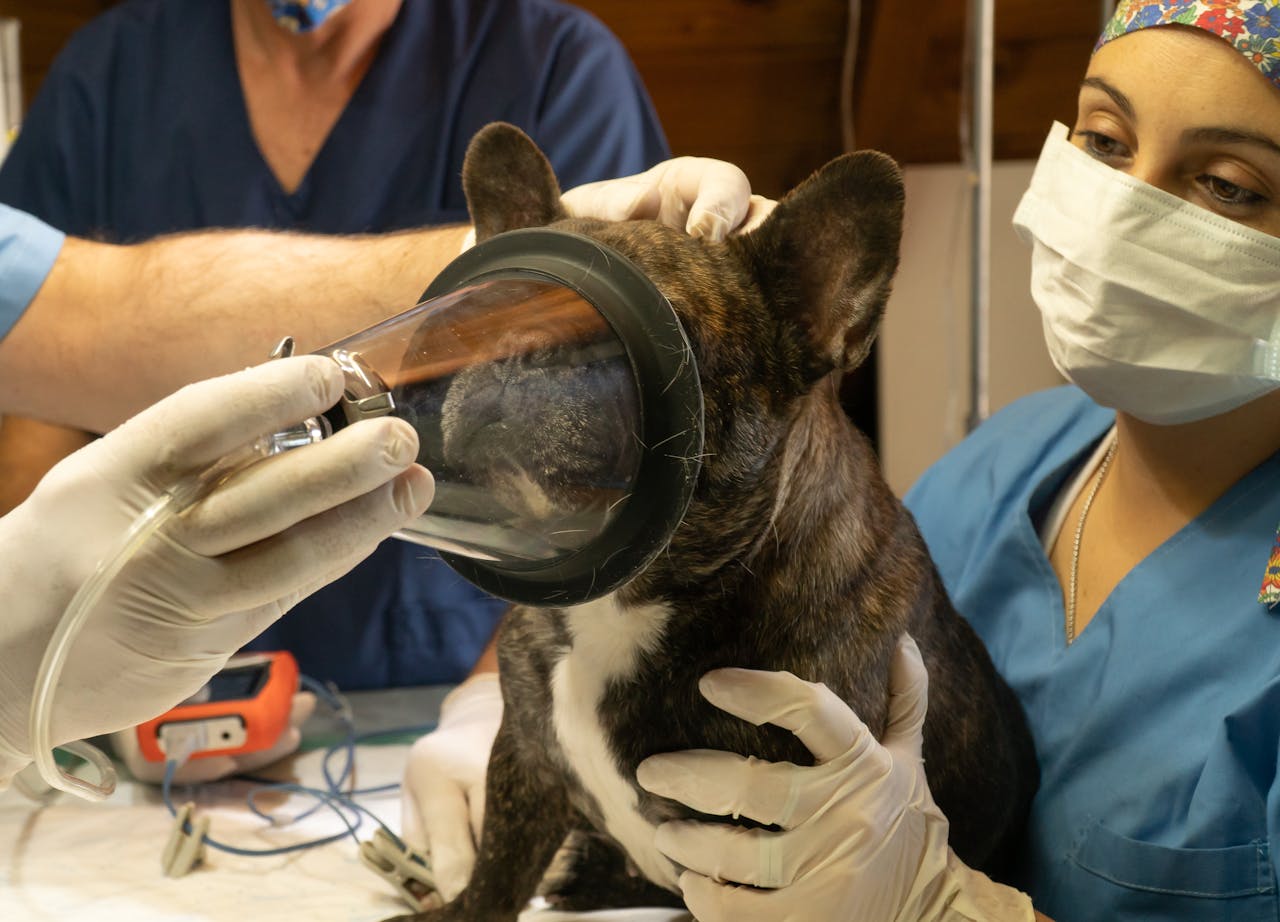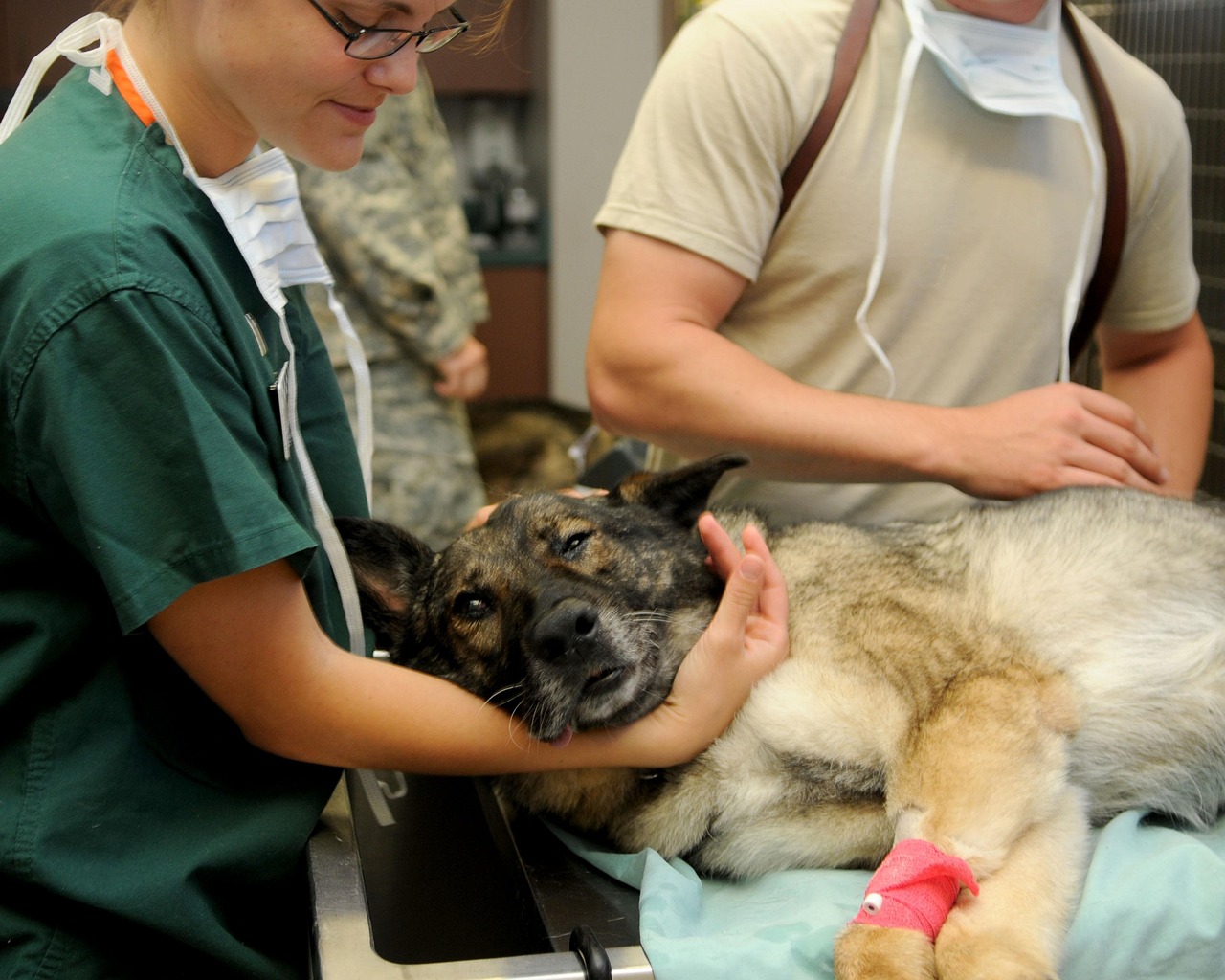

Pet insurance can feel like one of those monthly expenses you barely notice until money feels tight or you realize you have not used it in a while. At that point, canceling it can seem practical, even responsible. Before you make that call, it is worth slowing down and asking yourself a few honest questions. Not because canceling is always a mistake, but because it is often a decision people regret later.
Below are five questions that can help you decide with clarity instead of impulse.
1. Am I canceling because nothing has gone wrong yet?
This is one of the most common reasons people drop pet insurance. Their dog or cat has been healthy for years, and the monthly premium starts to feel unnecessary. It is easy to think, “We have never needed it.”
The uncomfortable truth is that insurance is most valuable before something happens, not after. Accidents and illnesses do not give warnings, and they rarely arrive at convenient times. A broken leg, a swallowed sock, or a sudden diagnosis can turn into thousands of dollars in a matter of days.
Ask yourself whether you are canceling because you truly no longer need coverage, or because things have simply been calm so far.
2. Could I comfortably afford a major vet bill tomorrow?
Try to picture a real scenario, not a vague one. Imagine getting a call from your vet telling you your pet needs emergency surgery, and the estimate is $4,000 or more. Would paying that bill cause stress, debt, or hesitation?
If the answer is yes, insurance may still be serving an important purpose. Peace of mind is part of what you are paying for, even if it is hard to quantify. Knowing you can say yes to treatment without immediately thinking about money changes how those moments feel.
If you truly have savings set aside specifically for pet emergencies, canceling may make sense. Just be honest with yourself about whether that money is actually there and untouchable.
3. How old is my pet right now?
Age matters more than many people realize. As pets get older, premiums often rise, which can feel frustrating. At the same time, the likelihood of health issues also increases.
Canceling insurance for a young, healthy pet is very different from canceling it for a senior animal. Once coverage is gone, getting it back later usually means higher costs and exclusions for anything that has already appeared in your pet’s medical history.
This is where many owners feel trapped later. Dropping coverage now could limit your options down the road, especially if your pet is entering their middle or senior years.
4. Am I unhappy with the policy or just the price?
Sometimes the urge to cancel is not about insurance itself, but about the specific plan you chose. Maybe the deductible is too high, the reimbursement rate feels disappointing, or claims take longer than expected.
Before canceling entirely, it may be worth reviewing your options. Many providers allow you to adjust coverage levels, raise deductibles, or switch plans to lower your monthly cost. Some people find relief simply by tailoring the policy to better match their budget and expectations.
Ask yourself if you want out of pet insurance altogether, or if you just need a better fit.
5. How would I feel if I had to choose between money and care?
This is the hardest question, and the most important one. In a crisis, emotions run high. Decisions need to be made quickly. In those moments, financial pressure can add guilt and fear to an already painful situation.
Insurance does not remove every hard choice, but it can remove one major layer of them. Knowing you did what you could financially often brings peace later, even if the outcome is not what you hoped for.
Think about your values, not just your budget. How do you want to show up for your pet when it matters most?
Canceling pet insurance is not always the wrong decision. For some families, it genuinely no longer makes sense. What matters is that the choice is thoughtful and informed, not rushed or reactive.
Your pet depends on you for more than food and walks. They depend on you to think ahead, even when it is uncomfortable. Taking the time to answer these questions honestly can help you decide what is truly best for both of you.