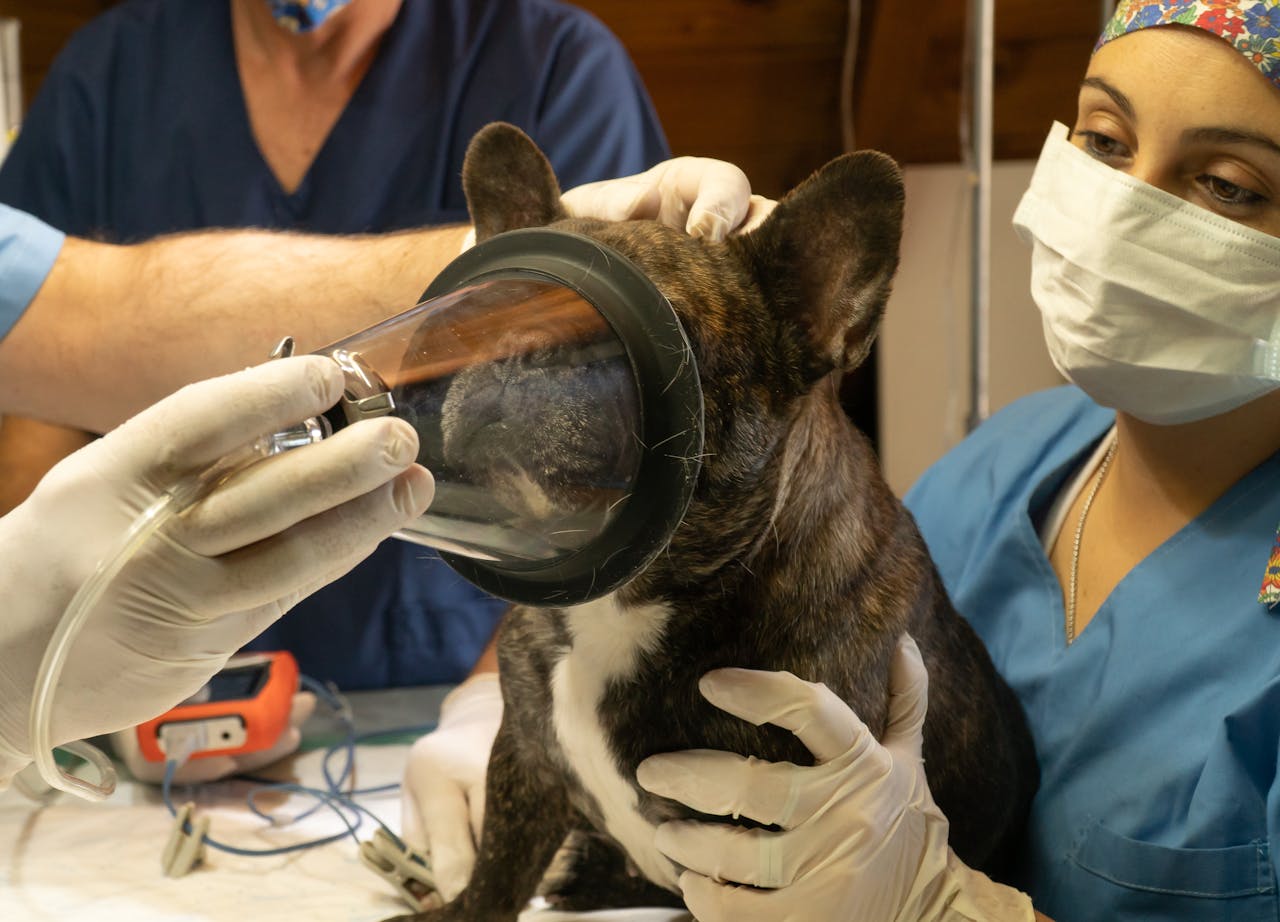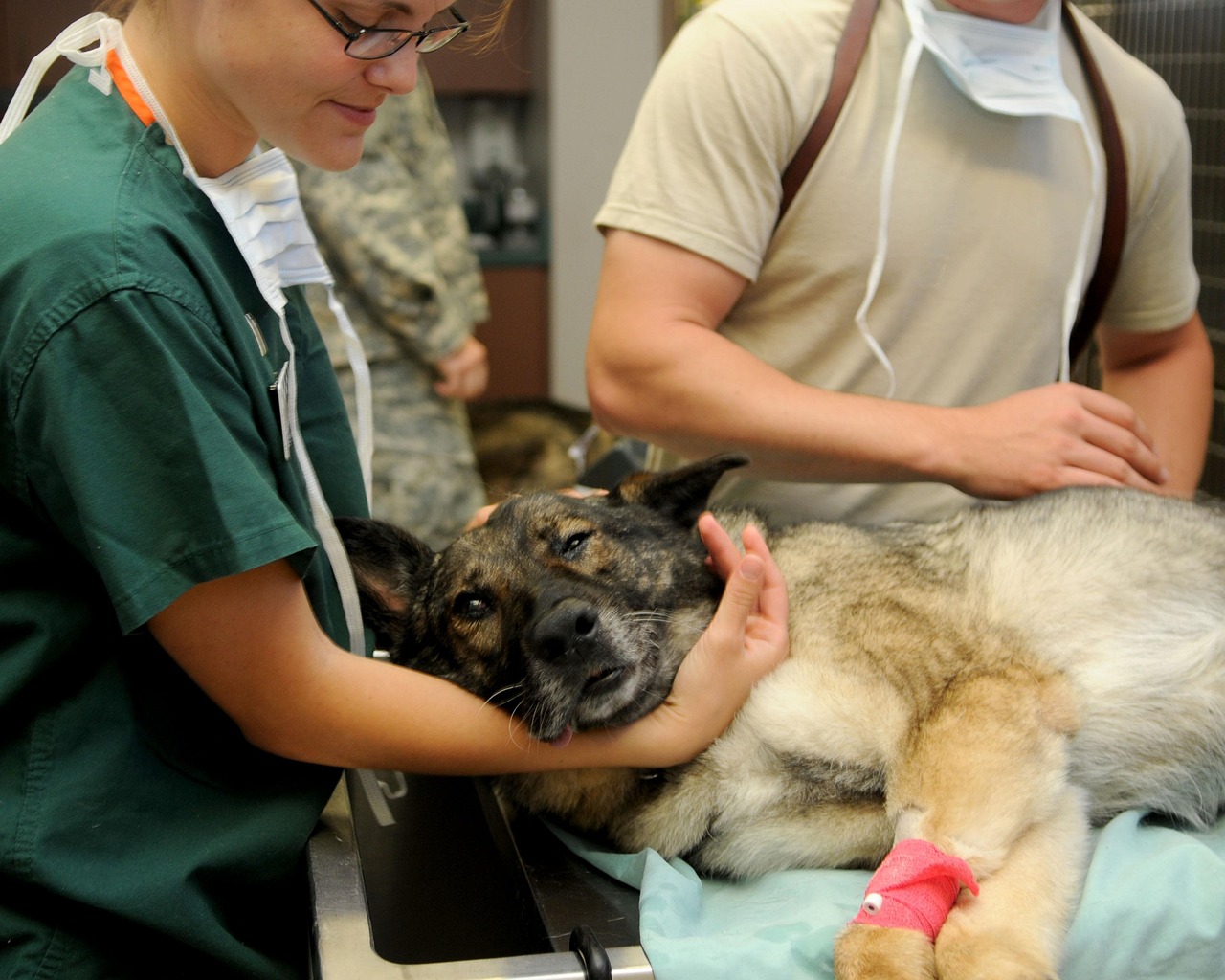

Pet insurance often sounds simple on paper. You pay a monthly premium, your pet gets sick or injured, and the insurance helps cover the bill. In real life, reimbursement can feel more confusing and emotional, especially when you are already stressed about your pet’s health. Many pet parents only discover the fine print when they file their first claim.
Below are some of the most common surprises people experience with pet insurance reimbursement, explained in a clear, human way so you can avoid frustration later.
1. Reimbursement Comes After You Pay the Vet
One of the biggest surprises is that most pet insurance works on reimbursement, not direct payment. That means you usually pay the veterinarian upfront, then submit a claim to the insurance company.
If your pet needs emergency care or surgery, this can mean paying hundreds or even thousands of dollars out of pocket first. For many families, that financial timing can be stressful. Some insurers are beginning to offer direct pay options with select vets, but it is still not the norm.
2. Coverage Percentage Is Not the Whole Story
Seeing “90 percent reimbursement” in a policy can feel reassuring. The surprise comes when you realize that percentage applies only after the deductible and within policy limits.
For example, if your plan reimburses 80 percent and your deductible is $500, you must pay that deductible first. Only then does reimbursement kick in. The final amount you receive is often less than people expect, especially in the first year.
3. The Deductible May Reset Every Year
Many pet parents assume the deductible is a one time thing per condition. In reality, most plans reset the deductible annually.
That means if your pet has a chronic condition like allergies or arthritis, you may pay the deductible again each policy year before reimbursement resumes. This can catch people off guard, especially when managing long term health issues.
4. “Usual and Customary” Fees Can Reduce Payouts
Some insurance providers reimburse based on what they consider reasonable or customary costs for your area, not necessarily what your vet charges.
If your veterinarian’s fees are higher than the insurer’s internal benchmark, you may be reimbursed less than expected. This difference is rarely obvious until you receive the explanation of benefits, which can feel confusing if you were not aware of this rule.
5. Waiting Periods Apply More Than Once
Most people know there is a waiting period when a policy first starts. What surprises many is that different conditions often have different waiting periods.
Accidents may be covered in a few days, illnesses may take weeks, and orthopedic conditions like ligament injuries can take months. If symptoms appear during a waiting period, related claims may be denied later, even if treatment happens after the waiting period ends.
6. Not All Treatments Are Covered, Even If They Are Helpful
Pet insurance does not automatically cover everything your vet recommends. Alternative therapies, behavioral treatments, supplements, dental cleanings, and prescription diets are often excluded or only partially covered.
Even diagnostic tests may be denied if the insurer decides they are not medically necessary. This can be especially frustrating when you trust your veterinarian’s judgment, but the policy language says otherwise.
7. Claim Processing Takes Time
When you are waiting on reimbursement, time feels slower. Many insurers take one to four weeks to process claims, sometimes longer during busy periods.
Missing paperwork, unclear invoices, or incomplete medical notes can delay payment even more. Keeping organized records and submitting detailed invoices helps, but patience is often required.
Pet insurance can still be incredibly valuable, especially for unexpected emergencies. The key is understanding how reimbursement actually works before you need it. When expectations match reality, the experience feels less disappointing and far more supportive.
If you are considering a policy or already have one, reading the fine print and asking direct questions can save you stress later. Your pet deserves care without financial surprises adding to an already emotional moment.