
If you love your pet like family, you already know that vet bills are part of the deal. Maybe you have even stared at an estimate and felt your stomach drop while your dog or cat looked up at you, completely trusting you to make the right call.
Pet insurance is often described as something that helps with big, unexpected bills. That is true, but it barely scratches the surface. There are quieter, more personal ways it can shift your everyday experience as a pet parent.
Here are five benefits of pet insurance that most people do not think about, but probably should.
1. It Makes It Easier To Say “Yes” To Early Testing
When something seems a little off with your pet, your first instinct is often to watch and wait. Not because you do not care, but because you are thinking about the cost of bloodwork, X rays, or an ultrasound.
Pet insurance changes that internal debate. Instead of wondering if you can afford a test at that moment, you begin asking which option will give the clearest answer and the fastest peace of mind.
Early bloodwork can catch kidney or liver issues before they become serious. Imaging can uncover hidden injuries or swallowed objects that are not outwardly obvious. Baseline testing while your pet is still healthy gives your vet something to compare future changes to.
You are not just paying for future emergencies. You are buying the freedom to investigate small concerns before they turn into major problems.
The hidden benefit: insurance can shift you from delaying care to ruling out issues early and that often leads to better outcomes and fewer long term expenses.
2. It Protects Your Savings And Your Relationship With Money
Most people think of pet insurance strictly as help with vet bills. It goes deeper than that because it often influences how you feel about your finances overall.
Without coverage, a single emergency can wipe out your emergency fund, force you into credit card debt, or drain savings you had set aside for something meaningful in your own life. Over time, that pressure creates a pattern where every vet visit feels tangled with financial anxiety. Even routine appointments start to bring tension.
With insurance, part of that burden is shared. You still pay your premiums and your deductible when needed, but the threat of one unexpected bill destroying months of financial progress becomes much smaller.
You are protecting your ability to stay calm in emergencies, your long term goals outside of pet care, and your sense that you are managing life responsibly in more than one direction.
The hidden benefit: pet insurance can reduce the constant money related stress that lurks behind pet care which quietly improves your quality of life.
3. Chronic Conditions Become Manageable Not Overwhelming
Chronic illnesses such as allergies, diabetes, arthritis, or heart conditions are not dramatic one time events. They are long stories made up of monthly refills, regular checkups, and occasional flare ups.
Without insurance, that story often feels like an endless cycle of new prescription followed by new bill repeated over and over.
When chronic conditions are covered, something meaningful shifts. You are more likely to stick to the treatment plan because refills and monitoring feel manageable. You may choose the medication that works best instead of the one that is merely the most affordable. You may agree to more frequent checkups because you know they help fine tune treatment and catch changes early.
Consistency adds years of comfort to your pet’s life. Instead of responding only when things get bad, you support them steadily and predictably.
The hidden benefit: pet insurance can turn chronic care into a sustainable routine which is gentler on both you and your pet.
4. You Start Using Preventive Care The Way It Was Meant To Be Used
Many plans include optional wellness or preventive care benefits that help with everyday health needs. These include vaccinations, routine exams, dental cleanings, and parasite prevention.
These may seem small on paper, but they prevent many emergencies from ever happening. When you know some of these visits are covered or reimbursed, you are more likely to schedule annual exams on time, keep up with dental cleanings, and stay consistent with flea, tick, and heartworm prevention.
Over time, this shapes the entire arc of your pet’s health. More issues are caught early. Less hidden damage accumulates quietly. Your vet gains a more detailed understanding of what is normal for your pet which makes subtle changes easier to spot.
The hidden benefit: insurance can transform preventive care from something you fit in when money allows into a regular rhythm of caring for your pet.
5. It Gives You Emotional Space In An Emergency
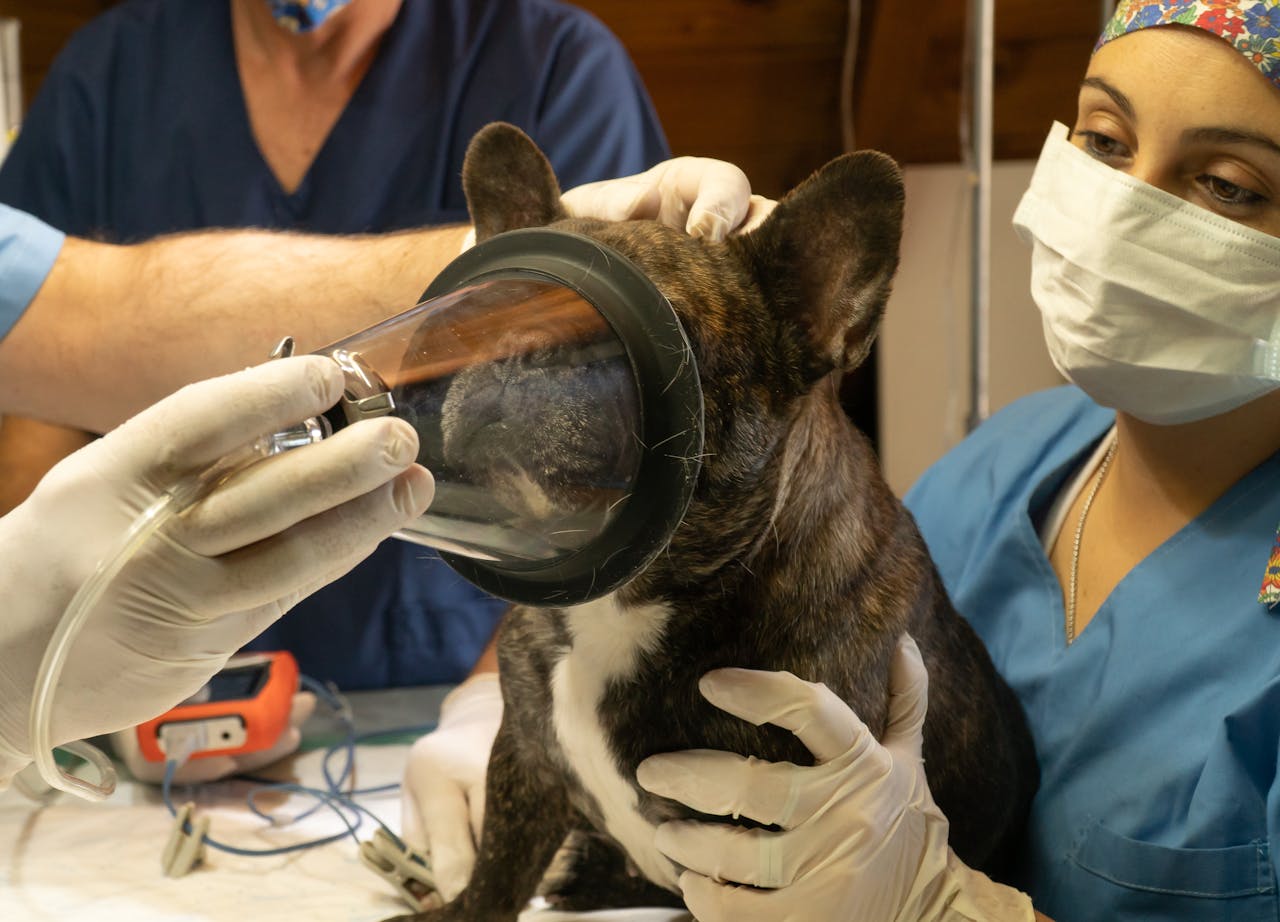
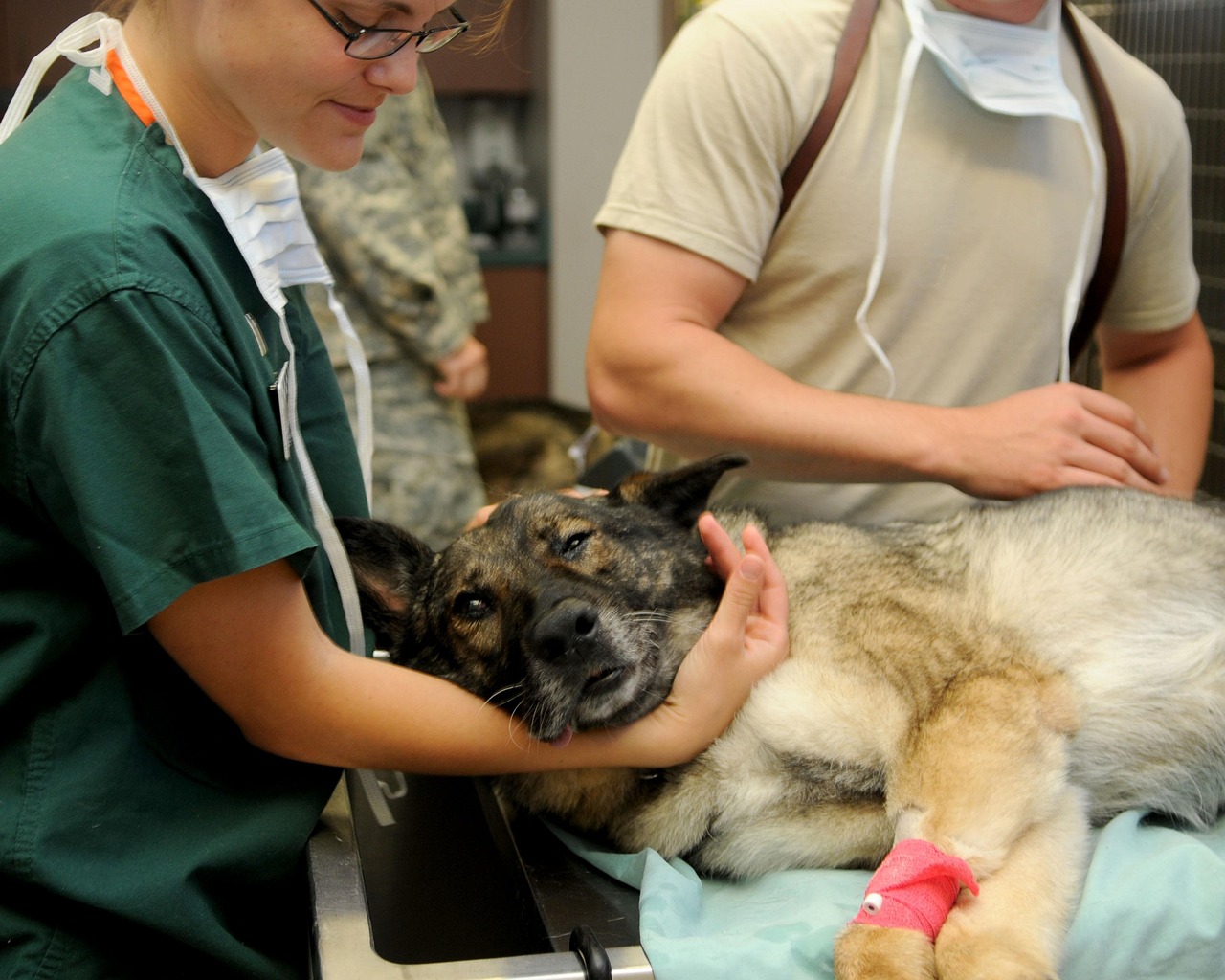
In a crisis, your mind is already overloaded. Your pet is in pain or struggling to breathe and the veterinary team is asking urgent questions. The last thing you want crowding your thoughts is the fear of what the bill might look like and how it will affect your life outside that exam room.
Insurance will not eliminate every difficult decision but it softens the moment. It allows you to consider the treatment that is medically best rather than defaulting to the least expensive option. It gives you the ability to choose a surgery, an overnight stay, or a specialist consult without immediate panic. It helps you feel afterward that you truly did everything possible.
That emotional space matters more than people often realize. When you are not consumed by financial fear, you can be present for your pet and make clearer decisions when they need you most.
The hidden benefit: in the hardest moments, insurance provides more clarity, more peace, and fewer regrets.
So, Is Pet Insurance Worth It For You?
Pet insurance is not perfect. It comes with premiums, exclusions, waiting periods, and fine print you need to understand. But beyond the obvious help with large vet bills, there is a quieter truth. It can change the way you show up for your pet.
You might find yourself going to the vet sooner, saying yes to tests that give real answers, staying committed to long term treatment, protecting your savings, and thinking more clearly when emergencies strike.
If you are unsure whether it is right for you, begin with your budget, your pet’s age and breed, and your comfort level with risk. Then ask a more personal question.
How do you want to feel the next time your pet needs serious care?
If the honest answer is that you want to feel less panicked about money and more focused on your pet, insurance might be one of the most quietly valuable choices you make as a pet parent.