Pet insurance is one of those topics many owners plan to “get around to eventually,” right after booking vaccinations, replacing the chewed-up leash, or remembering where the cat hid the last toy. But delaying or misunderstanding how pet insurance actually works can come with financial surprises. Below are six common myths, explained in a grounded and human way, so you can make choices that protect both your pet and your wallet.
1. “My Pet Is Young and Healthy, So I Don’t Need Insurance Yet.”
This is one of the most expensive assumptions a pet owner can make. Young pets tend to be adventurous, curious, and occasionally fearless in ways that end with a vet bill. Starting early not only helps you avoid surprise costs, it also means your pet is covered before any chronic conditions appear. Insurers typically will not cover illnesses that show up before the policy begins, even if your pet is barely out of the puppy or kitten stage.
Starting young often means you lock in lower premiums and can build coverage before anything becomes a long-term issue.
2. “I Have Savings. I Can Handle an Emergency Out of Pocket.”
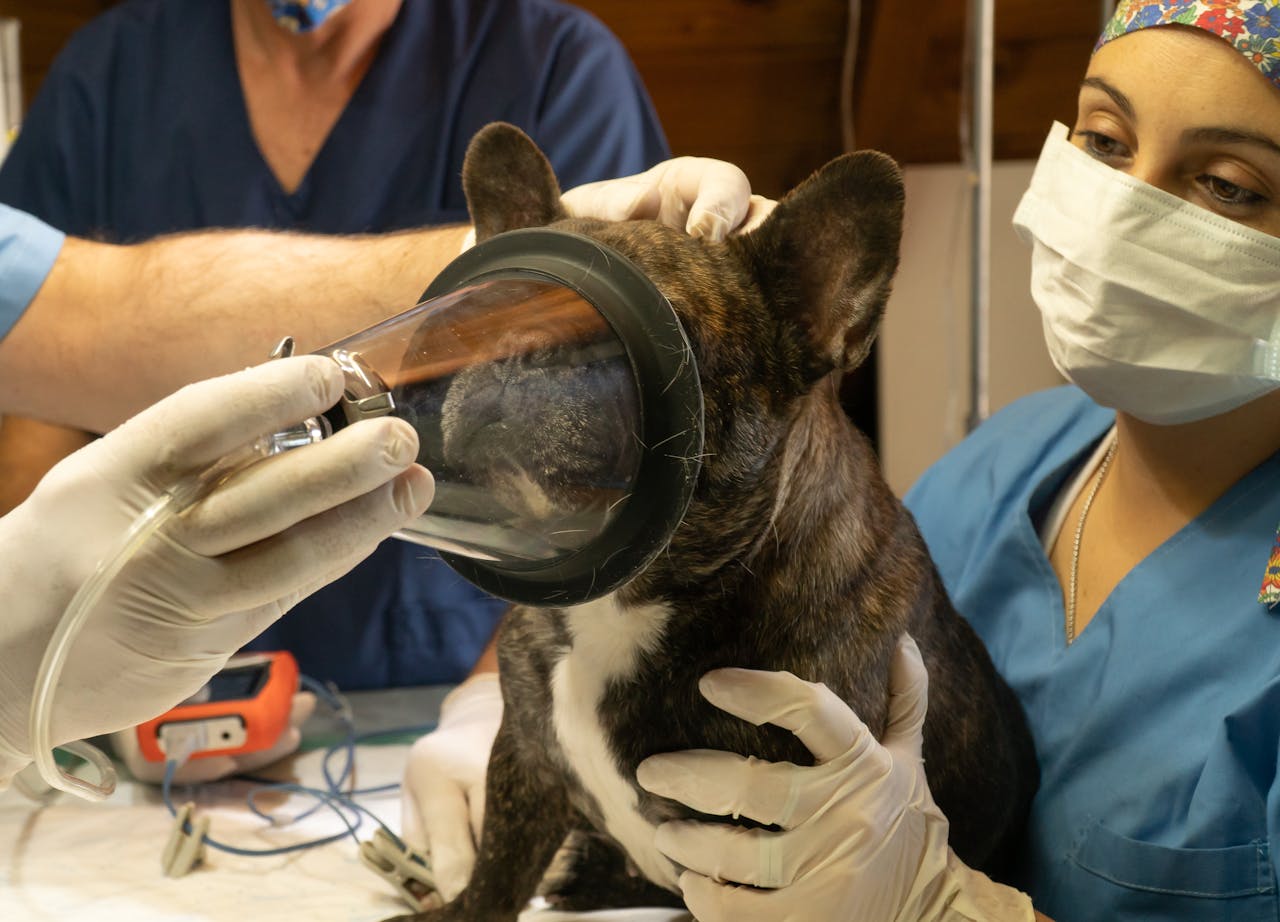
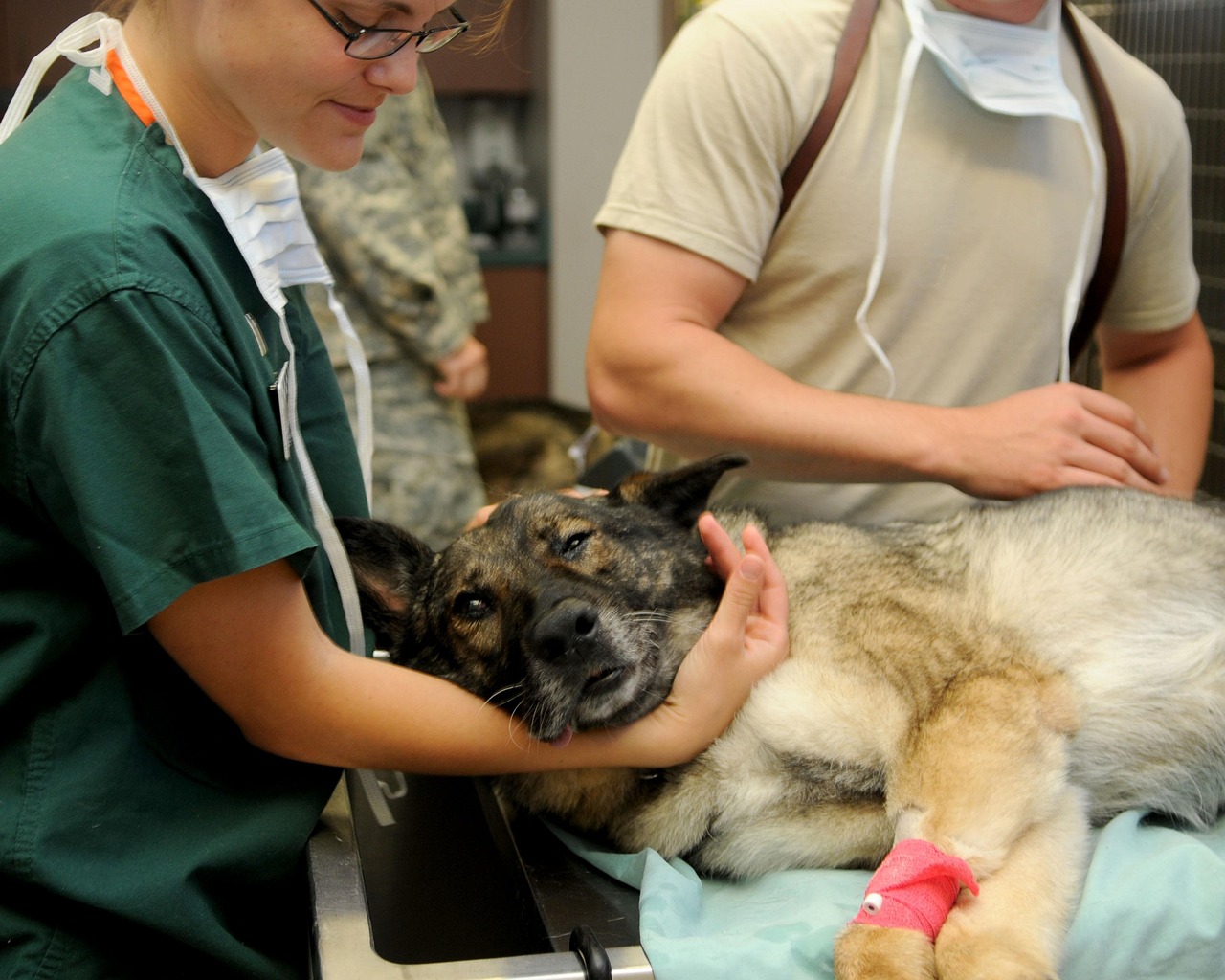
Some pet owners skip insurance because they feel their emergency fund has them covered. But emergency vet visits can escalate quickly. A swallowed toy, a sudden fever, or an unexpected injury can reach thousands within hours. Insurance is not just about saving money; it is about preventing a tough choice between treatment and affordability.
Savings can disappear in one event. Insurance is meant to spread that risk so one chaotic afternoon does not wipe out your financial cushion.
3. “Pet Insurance Works Just Like Human Health Insurance.”
This assumption leads to frustration. Unlike human healthcare, most pet insurance plans reimburse you after you pay the vet, which means you need to cover the bill upfront. Policies also come with different rules about waiting periods, deductibles, and how incidents are categorized.
Understanding how your chosen insurer handles reimbursements, exclusions, and claim timelines makes the whole experience smoother. It is not complicated once you know the basics, but it is definitely not the same system humans use.
4. “Pre-Existing Conditions Are Covered Eventually.”
This is a painful myth because many owners only look into insurance after their pet has been diagnosed with something significant. Unfortunately, conditions that exist before the policy starts are almost never covered later.
There is no workaround or time limit that wipes the slate clean. If a problem appears before a policy begins, the insurer sees it as permanently pre-existing. The best way to avoid this is to secure a policy while your pet still has a clean medical record.
5. “All Pet Insurance Policies Are Basically the Same.”
On the surface they might look similar, but coverage varies wildly. Some plans cover only accidents. Others cover accidents and illnesses. Some include dental injuries, but not dental disease. One plan may reimburse at seventy percent while another goes up to ninety. Some allow wellness add-ons while others skip preventive care entirely.
A quick comparison can save you from major gaps. Think of it like choosing a car: they may all get you from point A to point B, but the features, performance, and reliability make a big difference in real-world use.
6. “If I Stay Loyal to One Insurer, I Can Switch Plans Later Without Issue.”
Switching insurers after years of loyalty can lead to unexpected exclusions. If your pet developed any condition while covered under your current plan, a new provider may classify it as pre-existing. That means you could lose coverage for something your pet genuinely needs ongoing help with.
Before switching, look at how your pet’s medical history will be treated. Sometimes staying with your current provider is far cheaper and far safer than starting fresh elsewhere.
Pet insurance is not about expecting disaster. It is about giving yourself room to breathe when the unexpected happens. When you strip away the myths, the real goal becomes clear: reducing stress, protecting your savings, and making sure your pet gets the care they deserve, every time.