Most people don’t get pet insurance because they love paperwork. They get it because they’ve felt that cold drop in the stomach when a vet says, “We should do this test,” and you already know it won’t be cheap.
The tricky part is that pet insurance does not usually work like human health insurance. You often pay the bill first, then submit a claim for reimbursement. Coverage also depends heavily on the plan you chose, your deductible, your reimbursement percentage, and what’s excluded (especially anything considered pre-existing). Still, the right policy can take the edge off the big stuff, the scary stuff, and the “how is this even real money?” stuff.
Below are ten expensive vet procedures and treatments that many accident-and-illness pet insurance plans may cover, depending on the policy.
1) Emergency surgery after an accident
Dogs get hit by cars. Cats fall from balconies. Pets get in fights, run into fences, or swallow something sharp. Emergency surgery can escalate quickly because it often includes imaging, anesthesia, pain control, hospitalization, and follow-up care.
Insurance may help cover procedures like repairing internal injuries, treating a ruptured organ, or stabilizing fractures. If your pet ends up in an emergency hospital overnight, that hospitalization alone can be a major line item.
What to watch for: waiting periods for accidents, and whether your plan covers emergency and specialty hospitals.
2) ACL or CCL repair for knee injuries
A torn cranial cruciate ligament (often called a CCL) is one of the most common expensive orthopedic issues in dogs. The surgery options, like TPLO or TTA, are not minor procedures. They require specialized equipment, skilled surgeons, anesthesia, rehab, and repeat visits.
This is the kind of bill that makes people wish they had made the insurance decision a year earlier.
Important: some insurers treat both knees as “related,” so if one tears first, the other may be considered higher risk later. Read the fine print.
3) Advanced diagnostic imaging (MRI, CT scan, ultrasound)
When something is clearly wrong but not obvious, imaging becomes the bridge between guessing and knowing. MRIs and CT scans are commonly used for neurological issues, spinal problems, certain cancers, and complicated injuries. Ultrasounds are frequently used to evaluate organs, detect tumors, or investigate chronic vomiting and diarrhea.
Even when imaging does not lead to surgery, it often leads to a diagnosis that changes everything.
Good to know: some plans cover diagnostics broadly, while others have specific limitations or require that the imaging be deemed medically necessary.
4) Cancer treatment (chemotherapy, radiation, surgery)
Cancer is one of the hardest words to hear in a vet’s office, and it can also be one of the most expensive treatment paths. Depending on the type and stage, your pet may need surgery, chemo, radiation, or a combination.
Many pets tolerate chemotherapy better than humans do, but it still involves multiple appointments, bloodwork monitoring, medications, and supportive care. Radiation therapy can require specialized facilities and repeated sessions.
Insurance can matter a lot here because cancer care is rarely just one bill. It is often a series of bills over weeks or months.
5) Hospitalization and intensive care
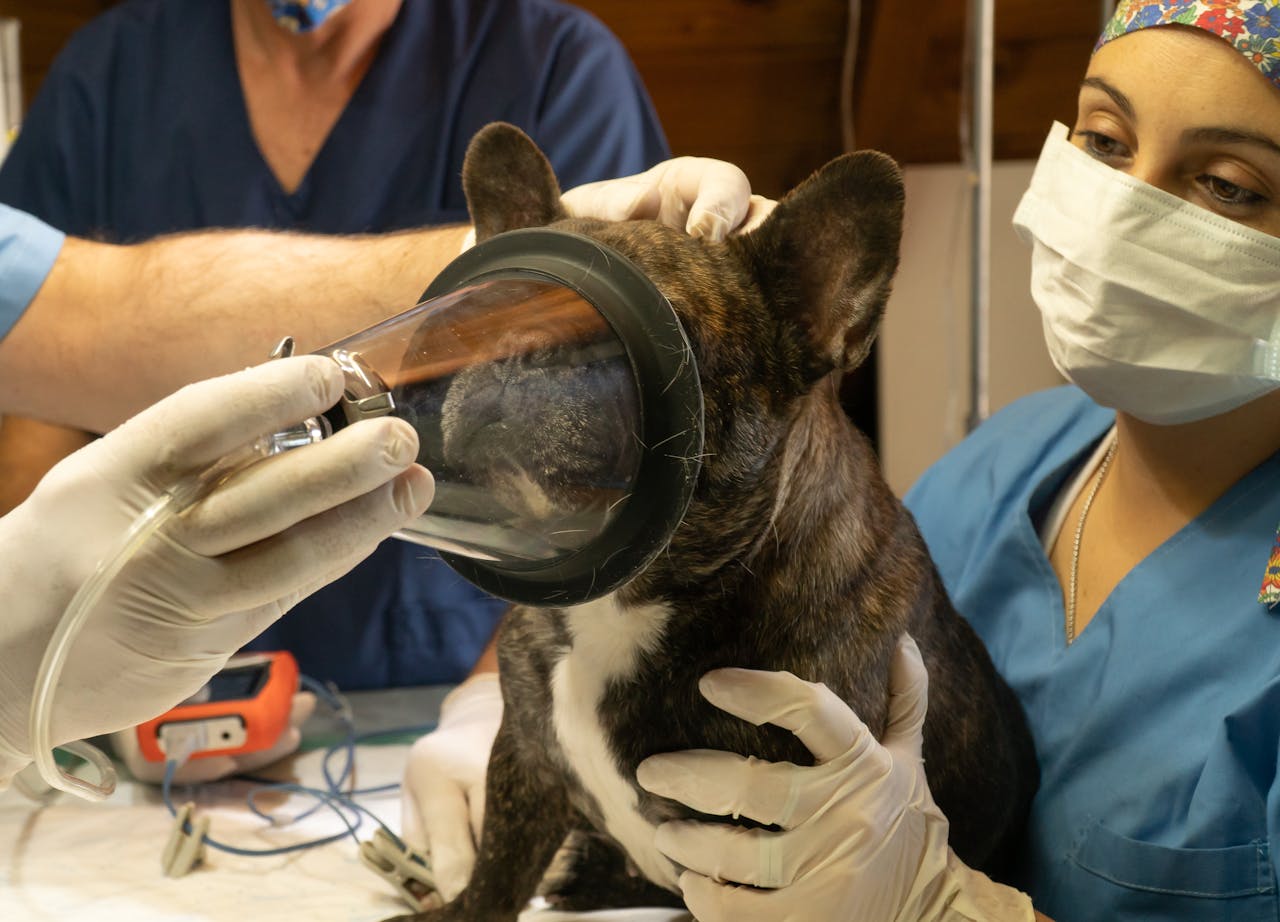
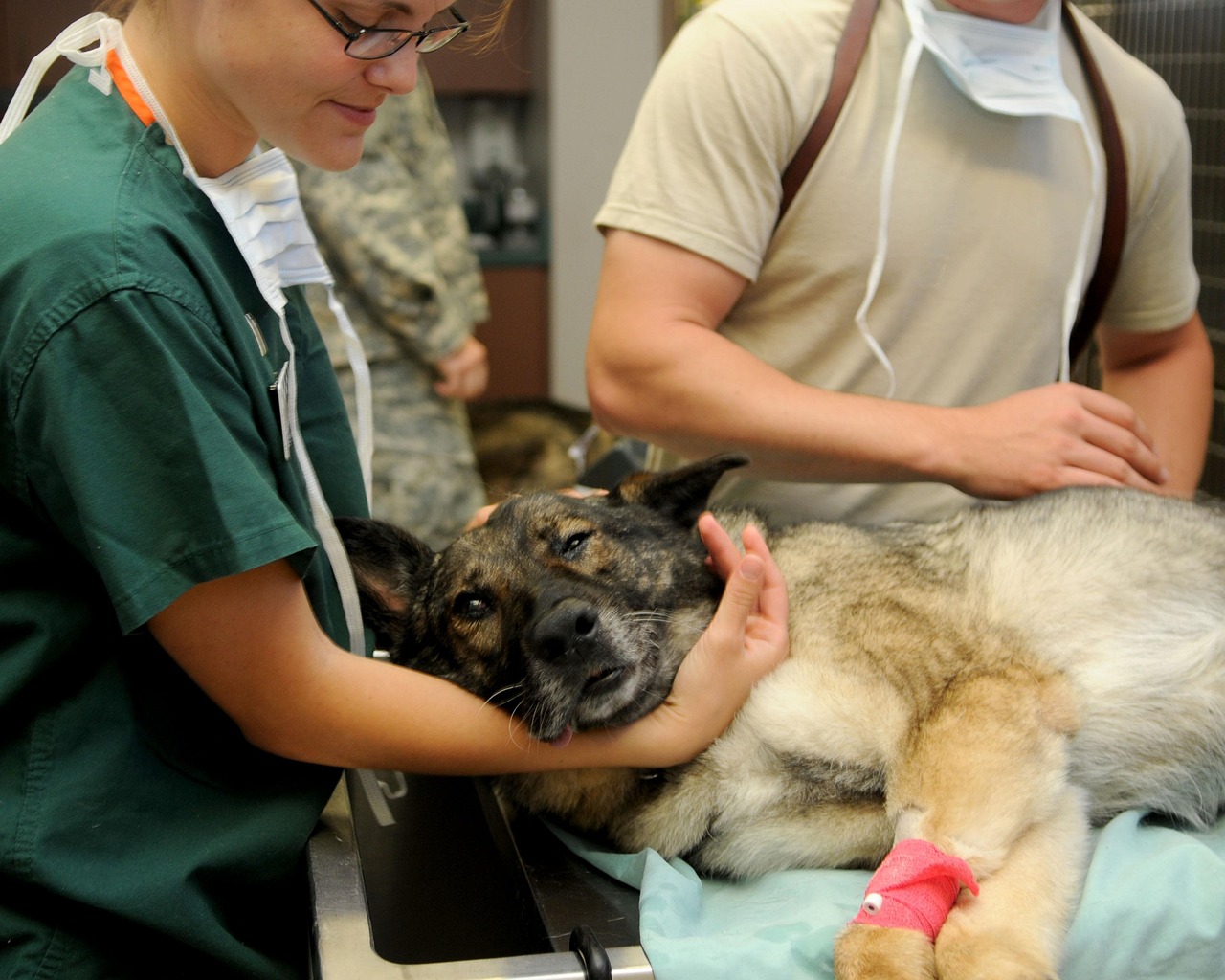
When your pet needs to be hospitalized, costs stack up fast. Think IV fluids, injectable medications, oxygen support, constant monitoring, repeat blood tests, and round-the-clock staffing.
Common reasons include severe pancreatitis, toxin ingestion, heatstroke, pneumonia, urinary blockages, diabetic crises, or serious infections. Even “just one night” can turn into several nights if your pet needs stabilizing.
Check your policy details: coverage for hospitalization is common, but there may be sub-limits for certain conditions or exclusions for pre-existing symptoms.
6) Treatment for foreign body ingestion (endoscopy or surgery)
This is the classic dog story: a sock disappears. Or a cat decides a ribbon looks delicious. Sometimes the object passes. Sometimes it doesn’t.
If it gets stuck, removal might require endoscopy (less invasive) or abdominal surgery (more invasive). Either way, it often includes imaging, anesthesia, and monitoring afterward.
This is one of the most common “big claim” scenarios for many pet parents, especially with young dogs that treat your home like an all-you-can-eat buffet.
7) Dental disease procedures (cleaning with extractions)
Dental work is complicated. A proper veterinary dental cleaning involves anesthesia, X-rays, and careful evaluation under the gum line. If there are diseased teeth, extractions can be time-consuming and surgical.
Many people are surprised by how expensive dental procedures are, especially if multiple teeth need to be removed.
Important: dental coverage varies wildly. Some insurers cover dental illness if it is not pre-existing, while others offer it as an add-on or require proof of annual cleanings to keep dental coverage active.
8) Chronic condition management (like diabetes or allergies)
Not every expensive situation is dramatic. Some are slow and steady. Diabetes can mean ongoing insulin, supplies, regular glucose checks, lab work, and periodic vet visits. Chronic allergies can mean repeated appointments, prescription diets, injections, medications like Apoquel or Cytopoint, and treatment for secondary infections.
Over a year, the total can be surprisingly high, and over several years, it can be enormous.
This is where insurance can quietly save you because it can help with recurring costs, not just one-time emergencies, as long as the condition wasn’t pre-existing when you enrolled.
9) Urinary blockages and urinary stone procedures
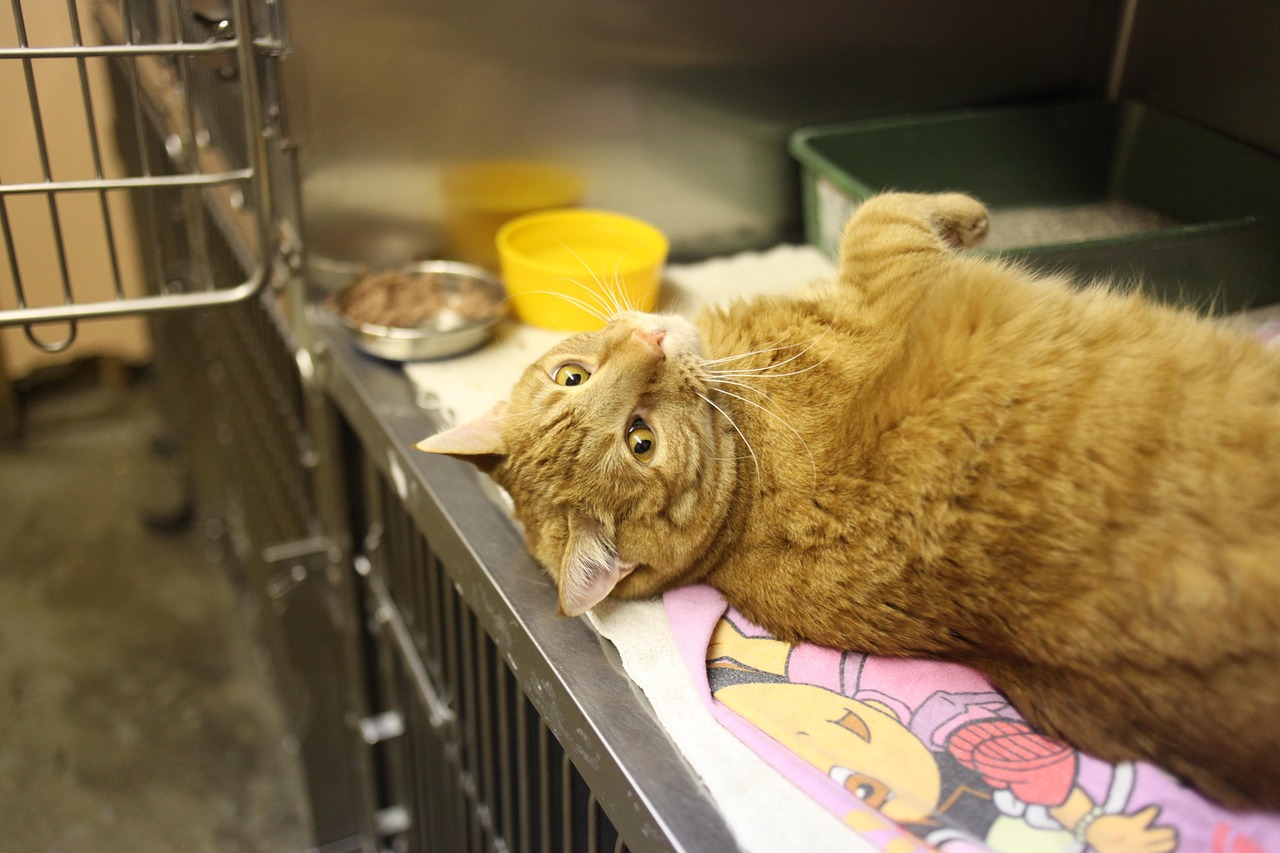
Urinary issues can become emergencies fast, especially in male cats. A blockage can lead to severe pain, toxin buildup, and life-threatening complications.
Treatment may involve catheter placement, sedation, hospitalization, labs, and sometimes surgery. Urinary stones can also require imaging and, depending on the type, surgical removal.
If you have a cat, this one is worth paying attention to because urinary emergencies are common enough to be a real risk category, not a rare event.
10) Euthanasia-related services and cremation (sometimes)
This is not an easy topic, but it’s part of responsible planning. Some pet insurance policies offer limited coverage for euthanasia when it is medically necessary, and a smaller number include cremation or aftercare benefits as well.
Even when coverage exists, it may be capped at a specific amount. Still, that assistance can matter during a moment when you’re not thinking clearly and you just want to do right by your pet.
Always read the benefit limits here, because this is one area where coverage is often modest and tightly defined.
A few reminders before you assume it’s covered
Pet insurance can be genuinely helpful, but it’s not magic. Before you buy a policy, or before you count on it in a crisis, keep these points in mind:
Pre-existing conditions are the big one. If your pet showed symptoms before coverage started, even if it was never formally diagnosed, the insurer may deny claims related to it.
Waiting periods are real. Most plans have a waiting period for illnesses and a shorter one for accidents. Some have extended waiting periods for orthopedic issues.
Coverage depends on your plan type. Accident-only plans are cheaper but won’t help with illness-related costs. Wellness add-ons can help with routine care, but they usually don’t impact major emergencies much.
Your deductible and reimbursement rate matter. A plan that reimburses 70 percent after a high deductible can feel very different from one that reimburses 90 percent after a low deductible.
The best way to think about pet insurance is as protection against the bills that could force you into a decision you never wanted to make. It won’t prevent the emergency, and it won’t remove the fear, but it can give you more room to choose care based on what your pet needs, not just what you can handle that day.
If you’re considering a policy, read the exclusions, check the waiting periods, and be honest about your pet’s medical history. The goal is not perfection. The goal is fewer financial shocks, and a little more peace when life with pets does what it always does: gets messy, emotional, and expensive at the exact wrong time.